

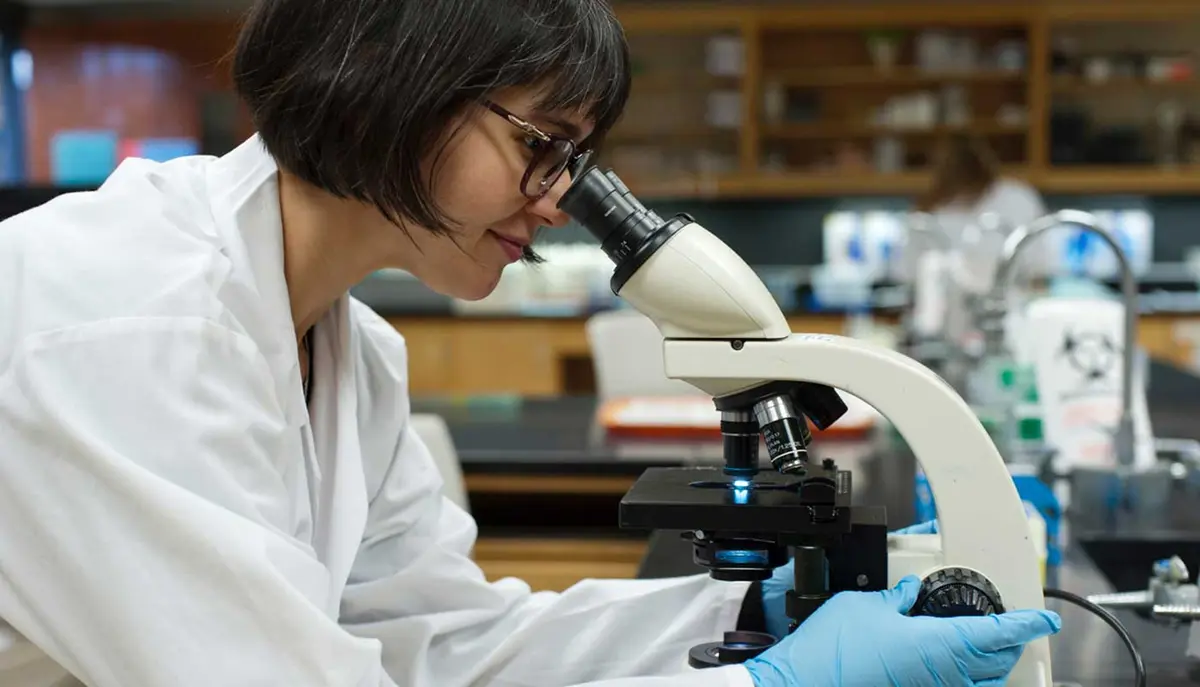
A master’s degree in biomedical science provides students with an advanced understanding of the biological processes that underpin human health and disease. The program combines rigorous coursework with practical laboratory experience, giving students the skills and knowledge necessary to excel in research, clinical laboratories, or biotechnology fields. Through this degree, students gain both theoretical insight and hands-on experience in areas such as molecular biology, microbiology, pharmacology, and immunology, preparing them for a variety of career paths in health sciences.
Biomedical science serves as the foundation for many medical and technological advancements. Understanding the mechanisms of diseases, the function of cells, and the behavior of biomolecules allows graduates to contribute directly to the development of new therapies, diagnostic tools, and innovative research methods. By combining practical laboratory work with comprehensive theoretical instruction, students become equipped to address complex scientific questions and make meaningful contributions to health sciences.
Curriculum Structure and Learning Outcomes
The curriculum of a Master’s in Biomedical Science is designed to balance theoretical knowledge with practical laboratory training. Core courses typically cover subjects such as cellular and molecular biology, biochemistry, immunology, and genetics. In addition to coursework, students engage in laboratory sessions where they apply the concepts learned in class to real-world experiments.
Through hands-on laboratory work, students develop technical skills, including cell culture, molecular cloning, polymerase chain reaction (PCR), western blotting, and immunohistochemistry. These skills are crucial for understanding cellular processes, investigating disease mechanisms, and developing experimental protocols. The program also emphasizes data analysis, critical thinking, and problem-solving, which are essential for producing reliable research and drawing meaningful conclusions.
Hands-On Laboratory Experience
One of the defining features of a Master’s program in Biomedical Science is the opportunity for extensive laboratory experience. Students spend significant time conducting experiments, analyzing samples, and interpreting results under the guidance of experienced faculty. This practical experience allows students to build confidence in the laboratory, troubleshoot experimental challenges, and develop proficiency with advanced scientific equipment.
Laboratory training is often structured around research projects that mirror professional scientific work. For instance, students may investigate cellular responses to specific treatments, study genetic mutations linked to disease, or evaluate the effectiveness of new diagnostic techniques. These experiences provide students with insight into how laboratory findings translate into clinical or industrial applications, bridging the gap between theory and practice.
Advanced Techniques and Technologies
Modern biomedical research relies on sophisticated technologies, and a Master’s program ensures that students gain hands-on experience with these tools. Techniques such as flow cytometry, confocal microscopy, next-generation sequencing, and protein analysis are commonly included in laboratory training. Familiarity with these technologies enables students to conduct complex experiments and analyze large datasets with precision.
Training in bioinformatics and computational analysis is increasingly integrated into laboratory experience. Students learn to handle genomic, transcriptomic, and proteomic data, allowing them to identify patterns, draw conclusions, and contribute to data-driven research. This combination of laboratory and computational skills positions graduates to work effectively in cutting-edge research environments.
Research Projects and Thesis Work
A critical component of the program is the completion of a research thesis or capstone project. This project requires students to design, conduct, and analyze a comprehensive study, often contributing original findings to the field. Working closely with faculty mentors, students develop experimental plans, collect and analyze data, and present their results in written and oral formats.
Thesis projects may focus on a range of topics, including molecular mechanisms of disease, cellular signaling pathways, or the development of new therapeutic strategies. Completing a research project provides students with practical problem-solving experience, strengthens technical skills, and demonstrates their ability to conduct independent scientific investigations. The process also prepares graduates for advanced research roles, doctoral programs, or professional careers in biotechnology and healthcare.
Interdisciplinary Collaboration
Biomedical science is inherently interdisciplinary, requiring knowledge of biology, chemistry, physics, and computational science. Master’s students are encouraged to collaborate across disciplines, gaining exposure to different techniques and methodologies. Interdisciplinary collaboration fosters teamwork, communication skills, and a broader understanding of how complex scientific problems are approached and solved.
Students often participate in laboratory groups, joint research projects, and seminars, which provide opportunities to share findings and exchange ideas. Presenting research to peers and faculty helps students develop clear communication skills and prepares them for professional scientific interactions. Networking within these collaborative environments also provides valuable connections for career development.
Professional Development and Skill Building
Beyond laboratory training, the program emphasizes professional development. Students develop skills in project management, data interpretation, scientific writing, and presentation. These transferable skills are critical for success in research laboratories, clinical settings, or the biotechnology and pharmaceutical industries.
Internships and industry placements may also be part of the curriculum, giving students practical experience in real-world settings. These experiences help students understand the operational and regulatory aspects of professional laboratories, including quality control, safety protocols, and standard operating procedures. Exposure to professional environments enhances employability and prepares graduates for leadership roles.
Career Opportunities in Health Sciences
Graduates with a Master’s in Biomedical Science have a wide range of career opportunities. Many choose to continue their education through doctoral programs or pursue medical school to specialize in research or clinical practice. Others enter the workforce in biotechnology, pharmaceutical development, clinical research, or diagnostic laboratories.
Positions may include research scientist, laboratory manager, clinical laboratory technologist, or regulatory affairs specialist. Graduates contribute to drug development, disease research, clinical testing, and the creation of innovative medical technologies. The combination of hands-on laboratory experience and analytical expertise makes them highly competitive candidates for leadership positions within research institutions or healthcare organizations.
Impact on Scientific Innovation and Health Research
Hands-on laboratory experience equips graduates to make significant contributions to scientific innovation and health research. Practical training ensures that students can apply theoretical knowledge to solve real-world problems, develop new experimental techniques, and contribute to advancements in medicine.
By mastering laboratory methods and data analysis, students become capable of investigating disease mechanisms, testing new treatments, and improving diagnostic tools. Their work directly supports the development of therapies and technologies that enhance patient outcomes and advance medical research. The skills gained during a Master’s program prepare graduates to participate in cutting-edge research projects that shape the future of health sciences.
Ethical Considerations and Research Integrity
Master’s programs also emphasize ethical conduct in scientific research. Students are trained to adhere to standards of research integrity, data accuracy, and responsible laboratory practices. Ethical considerations in experimental design, data handling, and reporting ensure that research outcomes are reliable, reproducible, and meaningful.
Understanding ethical guidelines is essential for conducting studies involving human or animal subjects, maintaining regulatory compliance, and upholding professional standards. This training not only fosters responsible research behavior but also strengthens credibility and trust in scientific findings.
Networking and Professional Engagement
Participation in conferences, seminars, and professional organizations is encouraged throughout the program. These opportunities allow students to present their research, engage with industry professionals, and stay current with advancements in biomedical science. Networking facilitates collaborations, job opportunities, and mentorship, supporting long-term career development.
Engaging with professional communities helps students build a reputation within the field, access emerging research trends, and identify areas for further study or specialization. These experiences complement laboratory training and enhance the overall educational experience.
Integration of Technology and Data Analysis
Modern laboratories require proficiency with technological tools and data analysis software. Master’s students gain experience in using laboratory information systems, statistical packages, and bioinformatics platforms. These tools enable them to analyze complex data, visualize results, and draw accurate conclusions.
Training in technology and data analysis ensures that graduates are prepared for research environments that rely on precision, efficiency, and data-driven decision-making. This expertise is critical for positions in research, clinical laboratories, and biotechnology industries where accurate interpretation of results is essential.
Conclusion
A Master’s Degree in Biomedical Science that emphasizes hands-on laboratory experience equips students with the knowledge, skills, and confidence necessary for success in health sciences. The program combines theoretical instruction with practical training in molecular biology, microbiology, immunology, and bioinformatics, providing graduates with a comprehensive foundation in biomedical research.
Through extensive laboratory work, research projects, and thesis development, students gain technical proficiency, problem-solving skills, and professional competence. Interdisciplinary collaboration, professional development opportunities, and exposure to advanced technologies further enhance their preparedness for careers in research, healthcare, and biotechnology.
Graduates of such programs are well-positioned to contribute to scientific innovation, medical advancements, and the development of new diagnostic and therapeutic tools. Institutions like UNT Health Fort Worth provide state-of-the-art facilities and mentorship, supporting students in conducting sophisticated research and developing practical skills that directly impact career growth.
By combining practical laboratory experience with rigorous academic training, a Master’s in Biomedical Science ensures that graduates are ready to excel in research laboratories, clinical settings, or industry roles. The degree fosters technical expertise, analytical thinking, and professional growth, enabling students to make meaningful contributions to the advancement of health sciences and biomedical research.
