

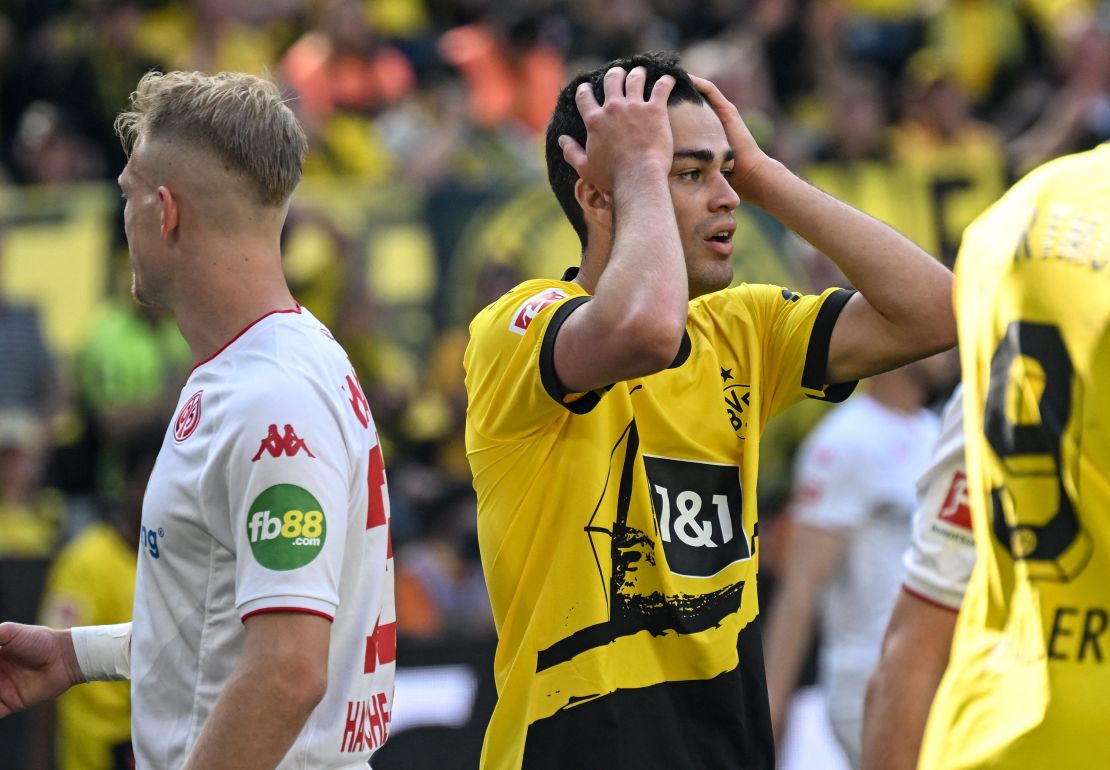
Matches that directly shaped the 2022/2023 Bundesliga top‑four race were not just emotionally tense; they repeatedly produced either very open, high‑scoring contests or surprisingly controlled, low‑margin games. The late-season run saw Bayern, Dortmund, Leipzig and Union Berlin jostling for Champions League places, with several fixtures—Bayern vs Leipzig, Bayern vs Dortmund, and Union vs Freiburg—carrying clear top‑four implications. The consistent pattern was that game state, incentives and tactical risk combined to push some of these clashes strongly toward overs and others toward disciplined unders.
Which Games Actually Counted as Top-Four Deciders?
Across the season, several matchdays functioned as “hinge points” in the race for the title and Champions League spots. The league’s own review of the title race highlights Bayern’s 4–2 win over Dortmund on Matchday 26, their 3–0 victory over Union Berlin in February, RB Leipzig’s 3–1 comeback win in Munich on Matchday 33, and the final‑day 2–1 win at Köln that sealed the title on goal difference. In parallel, Union Berlin and Freiburg went head‑to‑head near the top‑four line, while Leipzig’s late surge secured Champions League qualification.
The cause is structural: with Bayern and Dortmund close at the top and Union, Freiburg and Leipzig filling the chasing pack, direct clashes between these teams held disproportionate weight for final positions. The outcome is that these games often carried different risk–reward balances from ordinary fixtures. The impact for bettors is that totals and goal‑line markets around these matches had to be read through the lens of season context, not just generic team averages.
Why Some High-Stakes Games Broke Clearly to the Over
Several top‑four deciders produced emphatically high totals. Bayern’s 4–2 win over Dortmund on 1 April and their earlier 4–2 away victory at Wolfsburg (another European contender) are singled out among the season’s defining moments, both with six goals. More broadly, the league’s season‑in‑numbers piece notes that Matchday 32 produced a season‑high 42 goals across nine games—the highest since 2000/01—with title and European races still alive.
The cause in these cases is a blend of attacking quality and risk tolerance: when both sides need a result, they are more willing to trade chances, push full‑backs high and accept transition risk. Once an early goal arrives, game state often forces the trailing side to further open the game, compounding shot volume and xG. The outcome is that a subset of top‑four deciders, particularly those involving attacking heavyweights like Bayern and Dortmund, naturally drift toward overs when both teams pursue the win. The impact is that bettors who understood how mutual need for three points interacts with attacking profiles had better justification for backing high goal lines in specific fixtures.
Why Other Deciders Stayed Controlled and Favoured Unders
Not every crucial game turned into a shoot‑out. The same list of Bayern’s key title‑race moments includes a 1–0 away win at Freiburg on 8 April, where a single goal decided a tight contest that mattered for both the title push and Freiburg’s Champions League hopes. In such matches, top teams sometimes decide that avoiding defeat is nearly as valuable as chasing a wild win, especially if a draw still keeps them ahead of immediate rivals.
Here the cause is risk management: when one side can protect a favourable position by keeping things tight, both coaches may prioritise compactness, reduced spacing between lines and conservative rest‑defence, even under pressure. The outcome is lower shot quality, fewer transition opportunities, and reduced total xG compared with open, end‑to‑end games. The impact for bettors is that not all “must‑win” or “decider” labels should automatically push them toward overs; situational incentives—who benefits from a draw, who plays again soon, who is missing key attackers—can lean some deciders toward clear under profiles.
Mechanisms: How Game State in Top-Four Clashes Drives Totals
Comparing Early-Goal Scenarios with Long Deadlocks
Top‑four deciders are particularly sensitive to first goals. In Bayern’s 3–1 home defeat to RB Leipzig on Matchday 33, the champions scored first and dominated the first half, but then conceded on a Leipzig counter, leading to a game state where both sides had strong incentives to attack in transition. Leipzig’s equaliser and subsequent penalties turned a 1–0 control scenario into a 3–1 result, pushing the match clearly over typical 2.5 goal lines.
By contrast, in games where the first goal comes late or not at all, fear of making the decisive mistake can suppress risk. Teams circulate the ball more cautiously, avoid committing both full‑backs forward, and take fewer long‑range shots to prevent counters. The cause is asymmetric risk around the opening goal; the outcome is a bifurcation where early‑goal deciders more often become high‑scoring, while long deadlocks tend to end 0–0, 1–0 or 1–1. The impact for in‑play bettors is that watching how aggressively teams react to an early goal can materially improve live totals decisions.
Pattern Table: Types of 2022/2023 Top-Four Deciders and Their Typical Totals Outcomes
To make these dynamics more usable, it helps to frame key top‑four games in terms of incentives and their typical scoring patterns, using concrete examples from 2022/2023.
| Decider Type | Example Fixture (2022/23) | Incentive Structure | Typical Totals Profile |
| Mutual win‑or‑else shoot‑out between attacking giants | Bayern 4–2 Dortmund (Matchday 26) | Both teams chasing title momentum; draw not ideal for either | High chance of over; early goals often trigger end‑to‑end phases |
| Favourites under pressure vs strong counter side | Bayern 1–3 Leipzig (Matchday 33) | Bayern needing win; Leipzig chasing UCL spot and dangerous on break | Volatile: can look like an under early then flip to over if favourites crack |
| Margin‑protecting away favourite vs compact rival | Freiburg 0–1 Bayern (April) | Bayern happy with narrow win; Freiburg keen not to lose heavily | Lean under; controlled tempo and lower goal variance |
| Direct fourth‑place duel between structured sides | Union vs Freiburg (top‑four race context) | Both aware a loss is costly; draw often acceptable for one | Tight goal bands; unders or cautious overs depending on early game state |
This table shows that “top‑four decider” is not a single category; the scoring environment depends heavily on who needs what and how they typically seek it.
Using Top-Four Context in a Structured Betting Routine – UFABET Perspective
For someone placing bets regularly, context around top‑four deciders only becomes useful when it is integrated into a trackable process rather than remembered vaguely. During a season like 2022/2023, you could tag every bet involving direct clashes between Bayern, Dortmund, Leipzig, Union and Freiburg with markers for “mutual must win,” “one-sided must win,” or “draw acceptable,” then compare how your overs and unders performed in each category. Within a digital online betting site providing detailed records, functionally similar to แทงบอลออนไลน์ ufa168, it becomes possible to filter all wagers placed on high‑stakes games and see whether you systematically overestimated chaos in cautious deciders or missed overs in mutual win‑or‑die setups. The cause is explicit classification of match incentives; the outcome is evidence about which situational reads added edge; the impact is more targeted totals strategies in future seasons when the top‑four race tightens again.
How Top-Four Pressure Can Mislead Bettors About Totals
Pressure cuts both ways. On one hand, it can produce frantic last halves, like Bayern’s collapse against Leipzig or Dortmund’s dramatic final‑day 2–2 draw with Mainz, where nerves and urgency created late swings in xG and goals. On the other hand, it can make teams conservative, especially early on, leading to long periods of risk‑averse play. Bettors who simply assume “big game = over” or “pressure = cagey under” risk oversimplifying.
The cause of mispricing is treating “high stakes” as a single effect rather than as a condition that interacts with style, table situation and previous head‑to‑heads. The outcome is stakes placed on totals that are more about narrative than about how these teams have actually behaved in comparable games. The impact is that profitable use of top‑four context requires separating fixtures where both sides must chase from those where one can afford to wait and control.
Distinguishing Top-Four Scoring Patterns from casino online Randomness
It is tempting to view wild scorelines at the end of a title or top‑four race as pure chaos. Yet the sequence of 2022/2023 results shows consistent links between incentives, tactics and outcomes: Matchday 32’s record 42 goals coincided with multiple teams needing wins to stay in title, European or relegation fights, while games where a narrow result sufficed often stayed low‑scoring. In a casino online environment, each event has fixed probabilities and no strategic adaptation; in football, top‑four deciders display structured responses to risk and reward that can be studied and anticipated. The cause is strategic behaviour under pressure; the outcome is patterned variations in totals; the impact is that serious bettors can treat these matches as data‑rich, not as coin‑flips dressed up as drama.
Summary
In the 2022/2023 Bundesliga, top‑four deciders involving Bayern, Dortmund, Leipzig, Union Berlin and Freiburg frequently produced either clearly high or clearly low totals, depending on how incentives and game state interacted with team style. Mutual must‑win clashes between attacking powers, like Bayern 4–2 Dortmund or Bayern 1–3 Leipzig, tended to tilt toward overs once an early goal arrived, while margin‑protecting away wins and cautious direct duels near the Champions League line were more likely to land under common lines. For bettors, the practical edge lay in classifying each decisive fixture by who needed what result, then aligning over/under positions with those incentive structures instead of treating all high‑stakes matches as either automatic shoot‑outs or automatic chess games.
