

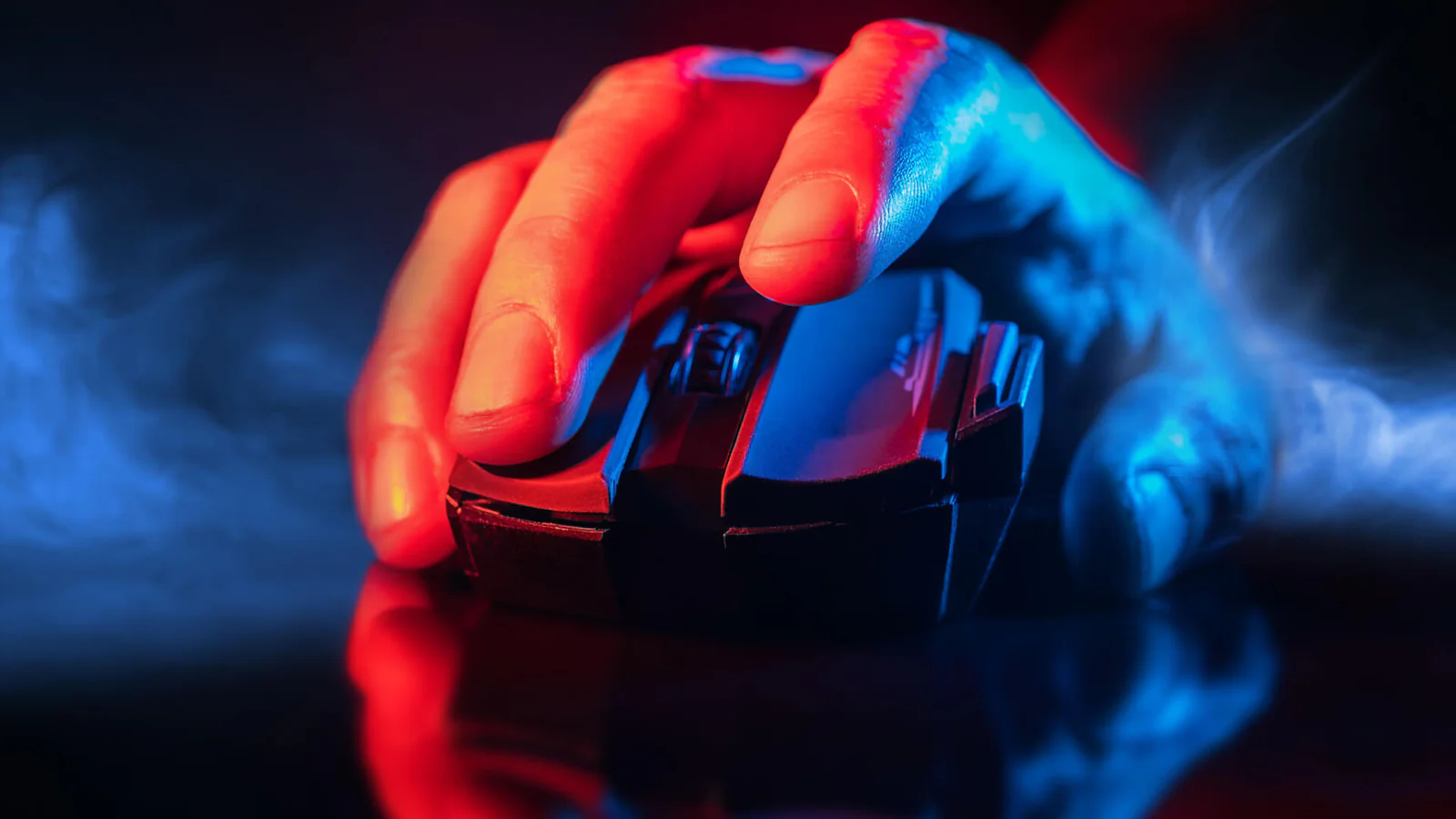
First-person shooter (FPS) games demand precision, quick reflexes, and sharp focus. Whether you’re playing competitive titles like Call of Duty, Valorant, CS2, or Battlefield, your ability to aim accurately and react fast often determines whether you win or lose.
Improving these skills isn’t just about talent—it’s about training, discipline, and smart optimization. In this article, we’ll explore practical ways to enhance your accuracy and reaction time, helping you perform at your peak and gain an edge in every match.
1. Understand the Basics of FPS Aiming
Before you start improving, it’s important to understand how aiming mechanics work. FPS games rely on your ability to control crosshair placement and mouse movement to line up shots accurately.
Crosshair placement: Keep your crosshair at head level and aimed toward likely enemy positions.
Pre-aiming: Anticipate where opponents will appear, so you’re already lined up when they show.
Recoil control: Learn the recoil patterns of your favorite weapons and practice compensating for them.
These fundamentals make your aim consistent and reduce wasted motion when enemies appear suddenly.
2. Optimize Your Mouse Settings
Your mouse sensitivity can make or break your aim. If your sensitivity is too high, you’ll overshoot targets. If it’s too low, you’ll struggle to turn quickly.
Follow these tips:
Lower your DPI (dots per inch): Many pros use between 400–800 DPI for precise control.
Set consistent in-game sensitivity: Use the same settings across all games to build muscle memory.
Disable mouse acceleration: This ensures your cursor moves consistently relative to your hand movement.
A stable setup helps your aim become predictable, consistent, and easier to refine with practice.
3. Train Your Aim Daily
Like any skill, aim improves through repetition and focused training. Use aim trainers such as Kovaak’s FPS Aim Trainer or Aim Lab to practice specific skills like flicking, tracking, and target switching.
Try this 15–20 minute routine daily:
Flick shots: Practice snapping your aim between targets.
Tracking: Follow moving targets smoothly to simulate real combat.
Reflex drills: Shoot targets as soon as they appear on-screen.
Track your performance over time. As your consistency improves, translate these skills into live matches.
4. Improve Your Reaction Time
Fast reactions are critical in FPS games. They help you respond instantly to threats, giving you a better chance of winning duels. Reaction time can be improved through both physical and mental training.
Physical Tips:
Stay hydrated: Dehydration slows brain function.
Sleep well: 7–9 hours of sleep enhances reflexes and focus.
Stretch hands and wrists: Reduce tension before long sessions.
Mental Tips:
Use reaction training tools: Websites like Human Benchmark or games like Aim Lab test your reflexes.
Play warm-up matches: Jump into short rounds to get your hands and eyes coordinated before ranked play.
Reduce distractions: Close background apps and silence notifications to stay focused.
5. Optimize Your Gaming Setup
Your environment plays a big role in how effectively you play. Poor lighting, screen lag, or uncomfortable peripherals can hurt your performance.
Make sure your setup supports precision:
Monitor refresh rate: Use at least a 120Hz or 144Hz monitor for smoother visuals.
Low input lag: Enable “Game Mode” on your monitor and use wired peripherals.
Proper lighting: Avoid glare and keep consistent ambient light.
Ergonomic setup: Maintain good posture to prevent fatigue during long gaming sessions.
A stable, optimized setup allows your reactions to translate directly into on-screen results.
6. Warm Up Before Serious Matches
Jumping straight into ranked play without warming up is a common mistake. Even pro players spend time warming up to get their muscles and reflexes ready.
Try this warm-up process:
Spend 10–15 minutes in an aim trainer.
Play a casual or unranked match to loosen up.
Focus on crosshair placement and movement before aiming for high scores.
This routine ensures you’re physically and mentally ready when it counts most.
7. Analyze Your Gameplay
Self-analysis is a powerful way to identify weak points and refine your performance. Record your matches and review them afterward.
Ask yourself:
Was my crosshair at head level?
Did I position myself wisely before fights?
Did I panic when enemies appeared suddenly?
By identifying patterns, you can correct bad habits and replace them with more efficient techniques. Many FPS games also include built-in replays or spectator modes for post-match review.
8. Learn to Control Your Movement
Good aim means nothing if your movement is chaotic. Mastering movement mechanics helps you stay unpredictable while maintaining accuracy.
Tips to improve movement:
Counter-strafe: Stop moving before firing for precise shots in games like CS2.
Peek smartly: Use corners to reveal yourself gradually.
Crouch sparingly: Use it to reduce recoil or make yourself a smaller target, not constantly.
Maintain mobility: Keep moving between cover to stay unpredictable.
Smooth, deliberate movement makes your aiming easier and your gameplay harder to predict.
9. Use Sound and Game Awareness
Hearing your opponents can often be as important as seeing them. Sound cues—like footsteps, reloading, or doors opening—can reveal enemy positions before they appear.
Use quality headphones: Look for models with directional audio support.
Adjust sound settings: Increase important sound effects and lower background music.
Play with awareness: Predict where enemies might come from based on map knowledge and sound.
Game sense—the ability to anticipate what’s going to happen—is a skill that grows alongside aim and reaction time.
10. Stay Calm Under Pressure
Nervousness can cause over-aiming or missed shots. The best players stay calm even in intense moments.
Tips for staying composed:
Breathe steadily: Keep a relaxed breathing rhythm during firefights.
Focus on each round: Don’t dwell on mistakes; reset your mindset after each match.
Play for consistency, not perfection: Focus on small improvements over time.
Staying calm keeps your aim steady and helps you make smarter decisions during clutch situations.
11. Train with Purpose
Simply playing more doesn’t guarantee improvement. You need deliberate practice—targeted effort focused on a specific goal.
Each session, pick one aspect to work on:
Crosshair placement
Flick aim
Recoil control
Positioning
Game awareness
By training deliberately, you’ll notice measurable progress over time, rather than just playing mindlessly.
12. Join Communities and Learn from Others
Engaging with other players can accelerate your learning. Join gaming communities, watch tutorials, and learn from professionals.
Watch pro players: Study their positioning, aim habits, and movement.
Join Discord or Reddit groups: Discuss strategies and share clips for feedback.
Participate in scrims or local tournaments: Compete in real conditions to apply what you’ve practiced.
Learning from others keeps you motivated and helps you adapt faster to different playstyles.
13. Maintain Consistency and Patience
Improving your aim and reaction time doesn’t happen overnight. It takes consistent effort, proper rest, and patience.
Dedicate small amounts of time each day to training, and don’t burn out with long, unfocused sessions. Over time, your improvements will be noticeable in both casual and competitive play.
Remember: every professional player once started with shaky aim and slow reflexes—what made them great was persistence and smart training.
Conclusion
Boosting your accuracy and reaction time in FPS games takes commitment, focus, and a structured approach. By refining your settings, practicing regularly, analyzing your gameplay, and maintaining a calm mindset, you can gain a noticeable advantage in any shooter.
With the right habits, dedication, and setup, you’ll find yourself reacting faster, aiming sharper, and performing better than ever—turning each match into an opportunity to show your true skill.
