

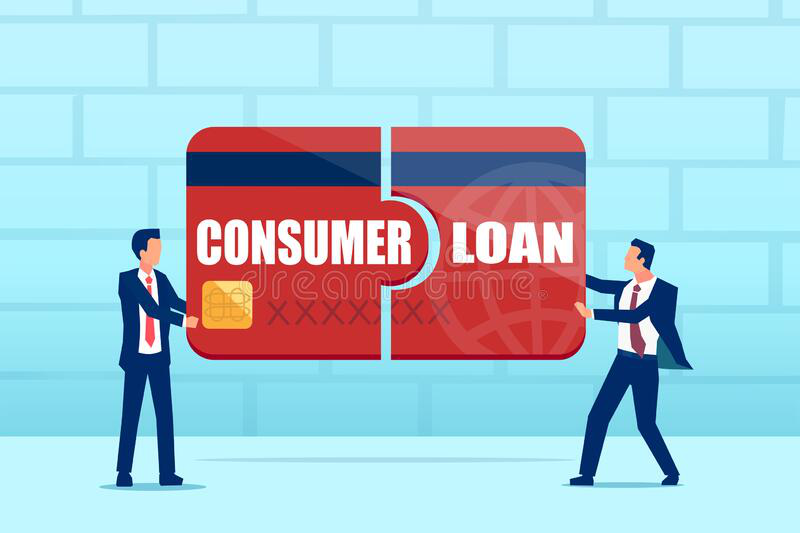
Knowing what you’re facing when you apply for a loan will help you become more prepared and get a higher chance of approval. Fortunately, there are a lot of resources online that will help you understand how the process works.
Regardless of the type of consumer debt that you’re trying to get, below are some of the things that you should know about. When you understand what needs to be done, you can be more at ease during these transactions. See more about loans and getting a good rate on this webpage.
What to Do?
1. Gather all the Paperwork Required
Prepare the requirements and submit them to the lender. Each financier will have different requirements according to the amount that you want to borrow, the complexity of the debt, and their operations. Smaller amounts don’t need a lot of paperwork.
However, if you find yourself in these situations, you will need to provide your IDs, tax returns, pay stubs, bank account, copies of legal entity documents, deed of sale, and many others. Expect that the lenders are going to check your credit report to know your score or previous bankruptcies, so you should also make sure that there are no errors in these documents.
2. Going through the Underwriting Process

After you’ve submitted your application, the bank or private lender is going to check your collateral, character, capacity, condition, and capital. Business owners may have their balance sheets checked, including their current capital and an evaluation of their homes, vehicles, or investments.
Repayment histories are assessed for individuals as well as their tenure in a company. Their earnings, other sources of income, liabilities, rent, cash reserves, the amount of down payment, and the current market conditions will be considered before approving a loan. The lending institutions will want to make sure that they are going to get repaid in some way or another, so they are careful with these processes.
Underwriting can take a few days or weeks, depending on the number of applicants and the available people who will do the checks. Complex requirements where huge companies are involved can take months and others do need to assemble the pieces of information that they have gathered during the investigation to make a decision.
3. Confirmation and Closing Details

Once you’re cleared, a decision will be made and you will either get approved or denied based on the bank’s rules. After the financing institution has committed to let you borrow a certain amount, the specialists will give you an offer through an app or a phone call. This is where you should check the annual percentage rates, the amount that you’re allowed to borrow, monthly payments, and how long it will last.
Credit cards are a different story because you’ll get a revolving credit with a maximum limit that you can use for shopping or paying bills. If you agree with the terms, they are going to send the funds into your preferred bank account, and you’ll get a summary of when you need to make the first payment as well as the security agreement, deed of trust, terms & conditions, etc.
What Happens When You’re Denied?
Receive notifications saying that your application was denied through an email or an adverse action letter can be pretty common. Below is an in-depth look that can help you understand what to do next.
Banks Look at Your Credit Score
One of the primary factors that are being considered when you want to get a loan is your credit report. Negative transactions may remain on your report for about seven years, but their impact can become less over time. When red flags such as frequent late payments, bankruptcies, and foreclosures are present in your account, the lender may deem you to be risky as a borrower.
High credit card balances, a lot of credit inquiries, accounts that have landed in collections, and delinquencies are also going to lower your chances of getting approval. Fortunately, some financiers can work with those who have bad credit to get a forbrukslån, and they will also do their best to ensure that the APR will be reasonable. Find them online and research more about the different companies before applying for one.
Amount of Income You Get Each Month
Another culprit for the denial is that you didn’t meet the financier’s minimum income requirement. This information is not generally available on their website, but those who are working at high-paying jobs may be pre-qualified for a consumer loan even if they haven’t applied.
Debt-to-income ratio that exceeds 60% can also be a warning sign for lenders telling them that the borrower might not be able to meet their monthly obligations each month. The point is to lower it where it would be very manageable because this can also benefit you. Lower payments towards debt each month are going to free up some cash towards groceries and utilities, so you will not have to borrow anymore. See more about personal finance blogs on this page: https://business.gov.au/finance/cash-flow/improve-your-cash-flow.
Selecting the Right Lenders

Shop around and make sure that you’re getting the cheapest rates available. Read the fine print and make sure to know about late fees, early repayment penalties, and other extra charges that are included in a loan. Ask questions if something is too vague with the agreement, and make sure that you’re committed to paying every single cent of the debt, so you can improve your score and your financial standing overall.
Improve your credit score whether you’re getting a student loan, home mortgage, or a new car paid in installments. The processes are going to be the same way, where the financiers will check if you’re creditworthy and always be a responsible borrower. Ask a co-borrower if you got denied and negotiate with the creditors to have your account removed from a collection’s agency whenever possible. Applications are now easier, but always see what the offers are and determine if they are right for you.
