

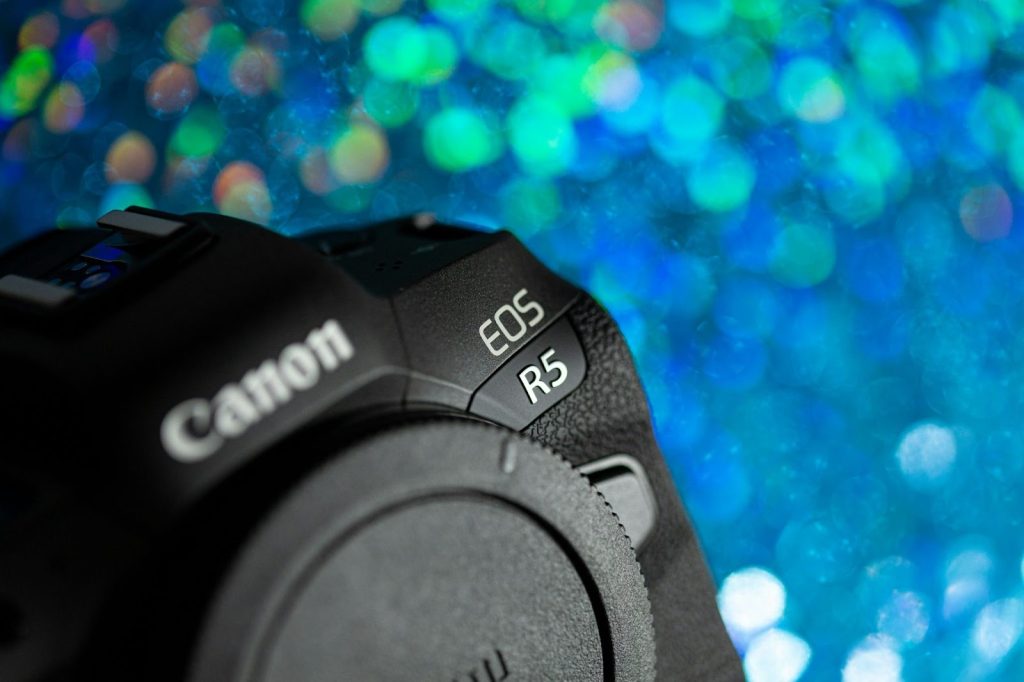
In the world of photography, innovation never sleeps. Over the past decade, one of the most significant shifts in camera technology has been the rise of the mirrorless camera. As the demand for lighter, faster, and more compact photography gear has grown, the mirrorless camera has become a top choice for both amateur enthusiasts and professional photographers. Among the leading brands driving this transformation, Canon cameras have emerged as powerful tools in both mirrorless and DSLR segments. But what makes a mirrorless camera so popular? And how have Canon cameras adapted to the changing tides?
What is a Mirrorless Camera?
To understand the appeal of the mirrorless camera, it helps to first compare it to traditional DSLR (Digital Single-Lens Reflex) cameras. DSLRs use a mirror mechanism that reflects light from the lens into an optical viewfinder. When you press the shutter, the mirror flips up to expose the image sensor to light.
By contrast, a mirrorless camera—as the name suggests—eliminates the mirror mechanism entirely. Instead, light passes directly through the lens and hits the image sensor, which sends a live preview to an electronic viewfinder or LCD screen. This design allows for a smaller, lighter body and faster shooting speeds.
Mirrorless systems often feature cutting-edge autofocus (AF) systems, improved video capabilities, and continuous innovation in lens development. As these cameras become more advanced, they continue to challenge DSLRs in every category—from image quality to performance.
Canon Cameras: A Legacy of Excellence
For decades, Canon cameras have held a leading position in the world of photography. From iconic film cameras like the AE-1 to digital workhorses like the EOS 5D Mark IV, Canon has continually set industry standards. As the mirrorless revolution gained momentum, many wondered how Canon would respond.
The answer came with the launch of the Canon EOS R series, which marked the company’s official entry into the full-frame mirrorless camera market. Canon took its time developing a mirrorless platform that would not only meet expectations but redefine them.
Canon Mirrorless Camera Lineup
Canon’s current mirrorless camera lineup is divided into two major systems: the EOS R system (for full-frame sensors) and the EOS M system (for APS-C sensors).
EOS R System
The EOS R series showcases Canon’s most advanced mirrorless cameras. The flagship Canon EOS R5 is a powerhouse designed for professionals, offering 45MP resolution, 8K video recording, and Canon’s groundbreaking Dual Pixel CMOS AF II. Meanwhile, the EOS R6 provides excellent value with a 20.1MP sensor, in-body image stabilization (IBIS), and outstanding low-light performance.
The recently released Canon EOS R7 and R10 bring the benefits of mirrorless camera technology to APS-C shooters, offering high-speed shooting, smart tracking AF, and compact design—all ideal for sports, wildlife, and everyday photography.
EOS M System
Canon’s EOS M series, such as the EOS M50 Mark II, offers beginner-friendly mirrorless cameras with solid video and photo capabilities. These models are particularly popular among vloggers and social media creators due to their compact size and user-friendly features.
Advantages of a Mirrorless Camera
Whether you’re choosing from Canon cameras or another brand, a mirrorless camera offers several clear advantages:
- Compact Design
Without a bulky mirror and prism system, mirrorless cameras are significantly smaller and lighter than DSLRs, making them ideal for travel and everyday use. - Silent Shooting
Mirrorless systems can shoot in complete silence—a major benefit for wedding photographers, wildlife enthusiasts, or anyone working in quiet environments. - Real-Time Previews
Electronic viewfinders provide a live preview of your exposure, white balance, and depth of field, which allows for more accurate composition and fewer missed shots. - Advanced Autofocus
Thanks to on-sensor phase-detection systems like Canon’s Dual Pixel CMOS AF, mirrorless cameras offer faster and more accurate focus tracking, especially in video mode. - Superior Video Performance
Many Canon mirrorless cameras feature 4K and even 8K recording, along with clean HDMI output, making them excellent tools for filmmakers and content creators.
Canon’s RF Lenses: A Mirrorless Revolution
A critical component of any camera system is its lens ecosystem. With the introduction of the RF mount, Canon has reimagined lens design for the mirrorless camera age. The RF lens lineup includes everything from ultra-wide-angle lenses like the RF 15-35mm f/2.8L IS USM to portrait-friendly primes like the RF 85mm f/1.2L.
These lenses are designed specifically for Canon cameras in the EOS R series, offering faster communication between the lens and camera body, sharper optics, and new creative possibilities.
Should You Switch to Mirrorless?
If you’re currently shooting with a DSLR or a compact camera and wondering whether it’s time to switch, a mirrorless camera offers numerous benefits. Whether you’re a casual shooter who wants portability or a professional in need of cutting-edge tech, mirrorless systems deliver.
Canon’s approach to mirrorless technology has made the transition easier. Many of their mirrorless cameras are backward-compatible with EF lenses via adapters, preserving the investment many photographers have made in Canon glass over the years.
Final Thoughts
The shift to mirrorless cameras isn’t just a trend—it’s the future of photography. With their compact bodies, enhanced features, and superior performance, mirrorless cameras offer an attractive option for photographers of all levels. And with a legacy of innovation and a strong foothold in both DSLR and mirrorless segments, Canon cameras continue to lead the charge.
Whether you’re stepping into photography for the first time or upgrading your gear, Canon’s mirrorless options provide something for everyone—from the entry-level EOS R50 to the professional-grade EOS R5. As technology continues to evolve, Canon cameras and the mirrorless format are poised to shape the next chapter in the art of visual storytelling.
