

The foreign exchange market, or forex, represents one of the most dynamic and accessible financial markets in the world. Operating 24 hours a day across multiple time zones, it allows the exchange of currencies between banks, corporations, institutional investors, and individual traders. In this environment, forex trade brokers serve as essential intermediaries, connecting traders to the global currency market and providing the necessary infrastructure and support to ensure smooth transactions. Understanding how brokers function is crucial for traders who wish to engage efficiently and effectively in currency trading.
The Function of Forex Brokers in Market Access
At its core, a forex broker acts as a gateway for traders to enter the global currency market. The forex market itself is decentralized, meaning there is no single exchange where transactions occur. Instead, trading takes place over electronic networks that link various participants. Brokers provide the platforms and infrastructure that allow individual traders to participate in these networks.
Brokers facilitate access to a wide range of currency pairs, enabling traders to buy or sell major, minor, and exotic currencies. They aggregate liquidity from multiple sources, including banks and liquidity providers, ensuring that traders have competitive pricing and the ability to execute trades at favorable rates. By serving as intermediaries, brokers eliminate many of the barriers that individual traders would face if attempting to access the market directly.
Trading Platforms as a Gateway to the Market
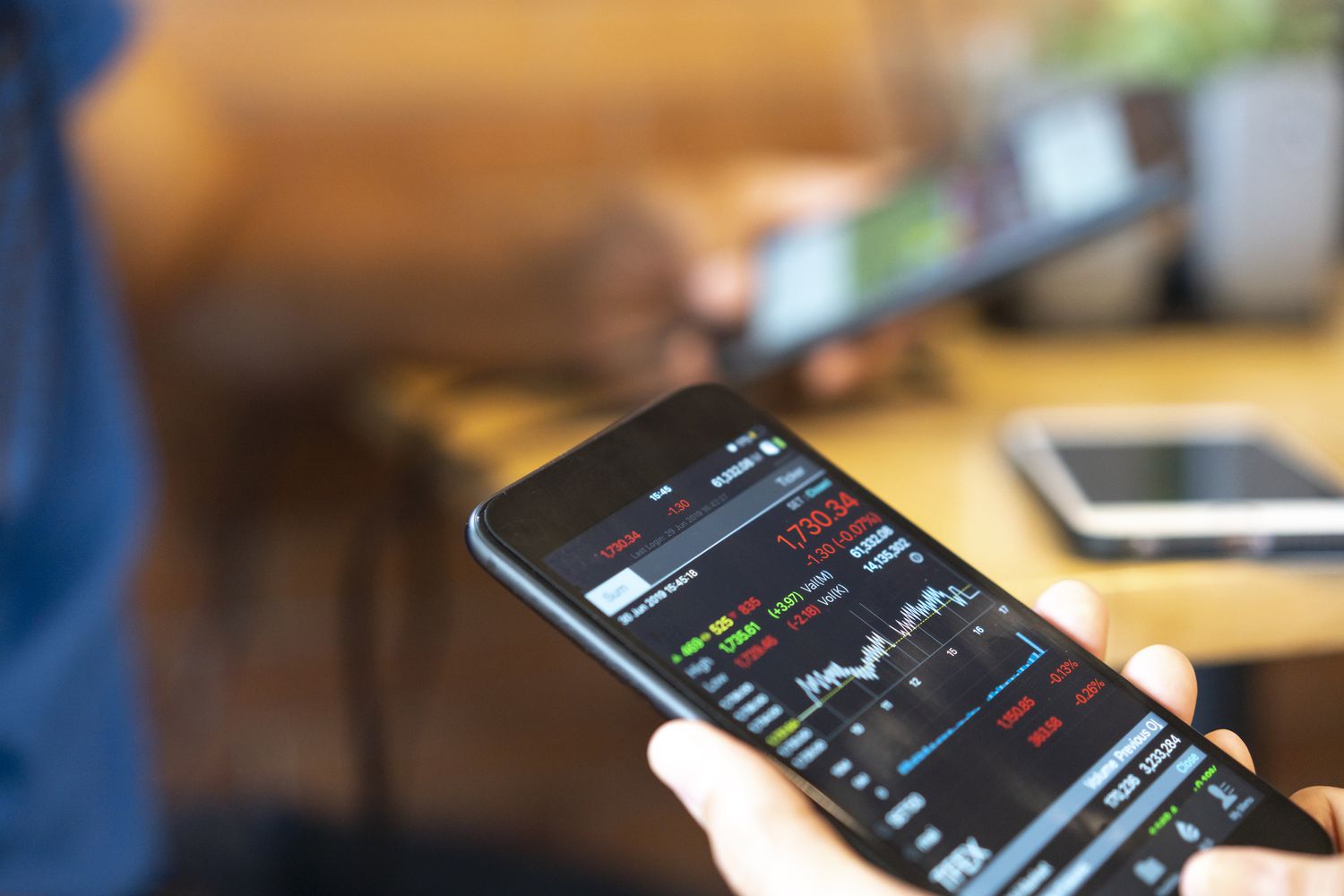
One of the most important ways brokers connect traders to the forex market is through their trading platforms. These platforms are designed to provide real-time market data, analytical tools, and order execution capabilities. Modern platforms offer both desktop and mobile versions, ensuring that traders can access the market from any location and respond quickly to changing conditions.
Platforms typically include charting tools and technical indicators that allow traders to analyze price movements, identify trends, and develop strategies. Features such as automated trading, algorithmic execution, and customizable dashboards enhance efficiency by enabling traders to implement their strategies effectively. Brokers ensure that these platforms remain reliable and responsive, as uninterrupted access is critical in a market that moves rapidly.
Order Execution and Market Connectivity
Efficient order execution is a central component of the broker’s role. When a trader places an order, the broker routes it to liquidity providers or the interbank network, ensuring that it is filled at the best available price. Market orders, limit orders, and stop orders allow traders to execute different strategies and respond to price movements with precision.
Execution speed and accuracy are vital. In volatile markets, even small delays can affect the profitability of a trade. Brokers invest in technology to ensure low-latency execution and minimize slippage, which occurs when orders are filled at a different price than intended. By maintaining a robust connection to liquidity sources, brokers enable traders to operate with confidence and efficiency.
Transparency in Trading Costs
Another critical aspect of a broker’s role is providing clarity regarding trading costs. This includes spreads, commissions, and other fees associated with account management, deposits, and withdrawals. Transparent pricing allows traders to understand the full cost of their transactions and make informed decisions.
Brokers that disclose fees clearly support a fair trading environment and help traders plan their strategies effectively. Knowing the cost structure reduces the likelihood of unexpected expenses and allows traders to manage their accounts more efficiently. Transparency in pricing also fosters trust, which is essential for a productive long-term relationship between the broker and the trader.
Providing Market Analysis and Educational Resources
Many brokers go beyond basic trade execution by offering market analysis, research, and educational resources. Economic calendars, technical analysis reports, and news feeds provide traders with timely insights into market trends and events that may influence currency prices. Access to this information helps traders anticipate market movements, identify opportunities, and make decisions based on a combination of technical and fundamental factors.
Educational resources, including tutorials, webinars, and guides, support traders in developing their skills and understanding market mechanisms. Brokers that prioritize education enable traders to adopt informed strategies, manage risks effectively, and trade with greater confidence. By equipping traders with knowledge, brokers enhance both efficiency and overall trading performance.
Risk Management Tools Provided by Brokers
Effective risk management is essential in forex trading, and brokers provide tools to help traders protect their capital. Stop-loss and take-profit orders are standard features, allowing traders to predefine exit points for their trades. These tools reduce the need for constant monitoring and help mitigate losses in volatile market conditions.
Position sizing, account balance monitoring, and margin management features further support risk control. Brokers also provide real-time reporting on account metrics, enabling traders to assess exposure and make adjustments when necessary. By offering these tools, brokers ensure that traders can operate in a controlled and disciplined manner.
Support for Automated Trading and Strategy Implementation
Brokers often support automated trading, which allows traders to execute strategies using pre-defined rules. Expert Advisors and algorithmic trading systems can manage trades continuously, even when traders are not actively monitoring the market. Brokers provide the platforms and technical support necessary for running these systems efficiently.
Traders can monitor automated strategies via desktop or mobile platforms, making adjustments as needed based on market conditions. Automated trading reduces human error, increases speed of execution, and ensures that opportunities are not missed due to delayed reactions. Brokers’ support for automation enhances overall trading efficiency and allows traders to implement sophisticated strategies.
Mobile Trading and Flexibility
The ability to trade from mobile devices has transformed forex trading. Brokers provide mobile platforms that replicate many of the features of desktop applications, including charting, order execution, and account management. Mobile trading allows traders to remain connected to the market while traveling or away from their primary workstation.
Push notifications, price alerts, and real-time data feeds ensure that traders can respond promptly to market events. By providing reliable mobile platforms, brokers empower traders to maintain control over their positions and execute strategies efficiently, regardless of location.
Customer Support and Assistance
Quality customer support is a critical component of a broker’s role. Traders may encounter technical issues, have questions about their accounts, or require guidance in using platform features. Brokers provide multiple support channels, including live chat, email, and phone assistance, to ensure that issues are resolved quickly.
Responsive and knowledgeable support minimizes downtime, allowing traders to focus on executing strategies rather than managing technical problems. Additionally, brokers may offer tutorials, FAQs, and knowledge bases that help traders understand platform features and trading processes independently. This level of support contributes to a smoother and more efficient trading experience.
Facilitating Liquidity and Market Efficiency
Liquidity is a cornerstone of an efficient forex market. Brokers play a key role in connecting traders to sources of liquidity, ensuring that buy and sell orders can be executed without significant price disruption. High-quality execution reduces slippage and provides traders with confidence that their orders will be filled at intended prices.
By aggregating liquidity from multiple institutions, brokers create a competitive trading environment where pricing is accurate and consistent. This connectivity not only supports individual traders but also contributes to the overall efficiency of the global currency market.
Supporting Diverse Trading Strategies
Forex trading encompasses a wide variety of strategies, from short-term scalping to long-term position trading. Brokers support these diverse approaches by offering customizable platforms, flexible account types, and multiple order execution options. Traders can implement strategies based on technical analysis, fundamental factors, or a combination of both.
The ability to tailor platform settings, analytical tools, and account management features to a specific strategy enhances efficiency. Brokers provide the infrastructure that allows traders to operate according to their preferred style, adapting to market conditions and optimizing outcomes.
The Role of Broker Reputation in Efficient Trading
Choosing a reputable broker is essential for ensuring smooth and reliable trading operations. Established brokers with positive client feedback are more likely to provide accurate pricing, stable platforms, and responsive support. Traders benefit from the consistency and reliability that come with a well-regarded broker.
Evaluating reputation involves researching reviews, testimonials, and experiences of other traders. A strong reputation indicates a broker’s ability to maintain transparent practices, minimize execution issues, and support clients effectively, all of which contribute to efficient market participation.
Conclusion
Forex trade brokers serve as vital intermediaries in the global currency market, providing traders with access, technology, and support necessary for efficient trading. They facilitate market access through robust platforms, ensure timely and accurate order execution, and offer analytical tools that enhance decision-making. Transparent fee structures, risk management tools, educational resources, and responsive customer support further improve the trading experience.
By connecting traders to liquidity sources and maintaining efficient execution systems, brokers help create a seamless trading environment where opportunities can be acted upon quickly and reliably. They also support diverse strategies, mobile trading, and automated systems, enabling traders to operate with flexibility and confidence.
Ultimately, brokers play a comprehensive role that extends beyond simple trade execution. They act as facilitators, educators, and connectors to the broader forex market, ensuring that traders can participate effectively, manage risks, and make informed decisions. Choosing the right broker is therefore a fundamental step for any trader seeking to engage successfully in the global currency market.
