

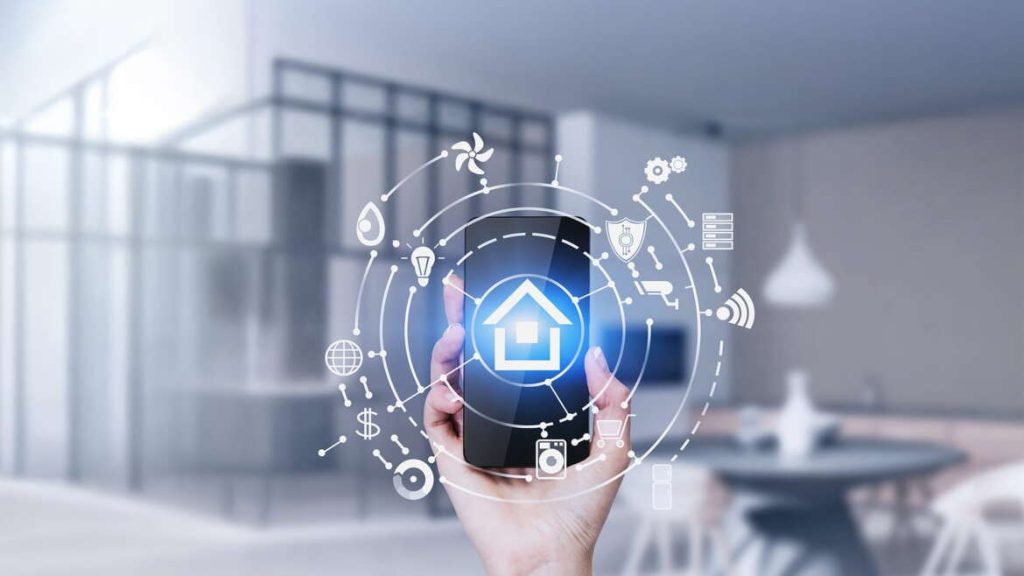
Do you remember when the idea of a “smart home” felt like something out of The Jetsons? You’d imagine robots cooking dinner or flying cars parked in the garage. While we aren’t quite commuting through the clouds yet, the reality of home automation has quietly settled into our daily lives. It’s less about sci-fi grandeur and more about the simple magic of lights turning off when you leave the room or a doorbell that lets you see who’s visiting from your phone.
But walking into an electronics store today can feel overwhelming. With thousands of gadgets promising to revolutionize your morning routine, how do you distinguish between a helpful tool and an expensive toy? The key isn’t to buy everything on the shelf—it’s to curate smart home solutions that actually fit the way you live.
Assessing Your Lifestyle: Needs vs. Trends
Before you buy a single smart bulb, take a moment to look at your daily habits. Technology should serve you, not the other way around. If you love the ritual of brewing coffee by hand, a smart coffee maker might feel like a gimmick. However, if you constantly worry that you left the garage door open, a smart sensor could be a game-changer for your peace of mind.
Ask yourself a few questions:
- What are your pain points? Do you hate coming home to a dark house? Are energy bills skyrocketing?
- Who lives with you? A complex system might frustrate guests or less tech-savvy family members.
- What is your budget? You don’t need to overhaul your entire house at once.
Identifying these needs helps you filter out the noise. You might realize you don’t need a fridge that tweets, but you definitely need a way to manage your heating more efficiently.
Essential Devices for Beginners
If you are just dipping your toes into the water, start with devices that offer high impact with low effort. These foundational pieces often provide the best return on investment.
Smart Lighting
This is the “gateway drug” of home automation. Swapping out a few bulbs lets you control ambiance with your voice or set schedules so lights turn on automatically at sunset. It’s practical, energy-efficient, and adds an instant layer of comfort.
Smart Thermostats
These devices learn your schedule and adjust the temperature accordingly. They ensure you aren’t heating an empty house, which can lead to significant savings on utility bills over time.
Security Hubs
Video doorbells and smart locks offer security without the need for expensive professional installation. Being able to check your front porch from your office creates a sense of security that is hard to beat.
Integrating Smart Home Solutions into Your Routine
The goal of these devices is to fade into the background. If you have to pull out your phone and open three different apps just to turn on a lamp, you haven’t made your life easier—you’ve made it more complicated.
Focus on compatibility. When choosing devices, check if they play nicely together. Ecosystems like Apple HomeKit, Google Home, or Amazon Alexa act as a central command center, allowing you to control different brands through a single interface. The best smart home solutions are the ones that work together to create “scenes”—like a “Goodnight” command that locks the doors, lowers the thermostat, and dims the lights all at once.
A Note on Privacy and Security
Bringing internet-connected devices into your private space requires a level of caution. Just like you lock your front door, you need to lock your digital doors.
- Change default passwords: Never leave a device on the factory setting password.
- Enable two-factor authentication: This adds a crucial layer of safety to your accounts.
- Keep software updated: Manufacturers release updates to patch security holes, so don’t ignore those notifications.
Start Small, Dream Big
Building a smart home isn’t a race. It’s a process of layering convenience into your life where it matters most. Start with one device that solves one specific problem. As you get comfortable, you can expand your ecosystem. By prioritizing your actual needs over flashy trends, you can build a home that isn’t just “smart,” but intuitively responsive to you.
