

Introduction
Every business, from electronics manufacturers to healthcare suppliers, faces the same challenge: how to ship products safely without driving up costs. One of the most effective answers lies in polyethylene packaging—a durable, lightweight, and versatile solution that protects goods during transit while offering long-term cost efficiency. Unlike single-use alternatives, polyethylene foam can be reused, customized, and even designed to align with eco-friendly goals.
This article explores how polyethylene packaging works, why it outperforms many traditional options, and how businesses can benefit from tailored solutions like foam inserts for boxes.
What Is Polyethylene Packaging?
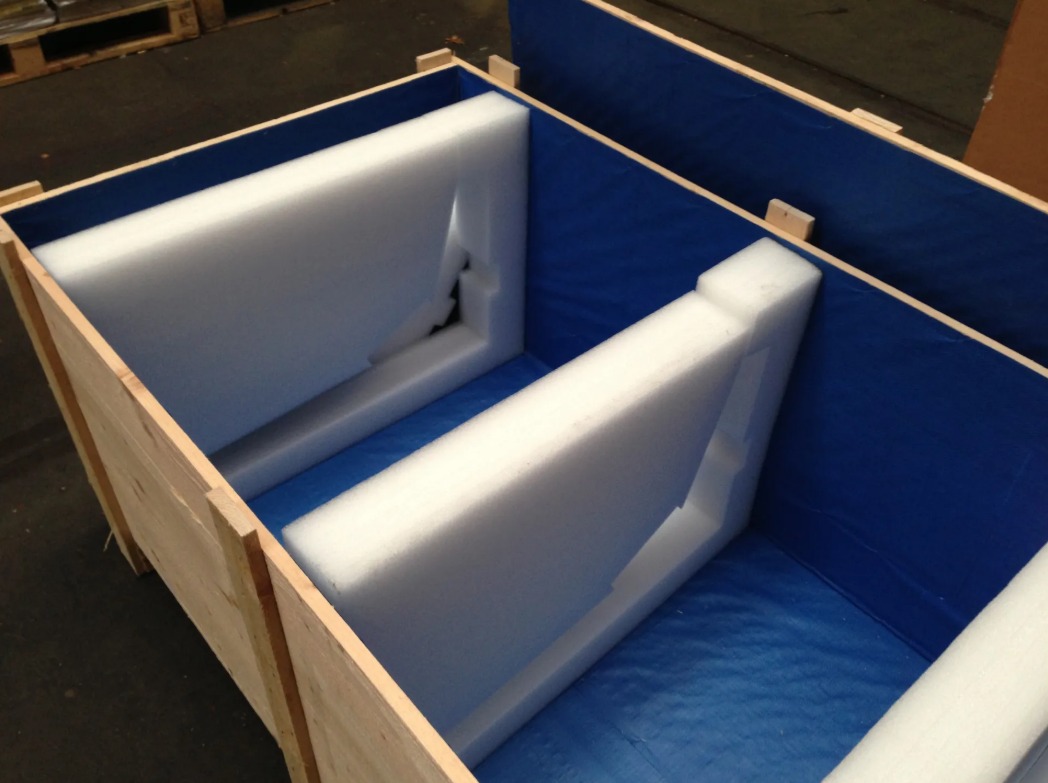
Polyethylene packaging is made from the polymer polyethylene, crafted into protective foam. This foam structure contains countless tiny, closed cells that act like mini shock absorbers. When a package is dropped or exposed to impact, these cells absorb and distribute the energy, reducing the risk of product damage.
Available in black, white, blue, and anti-static pink, polyethylene foams are often marketed under trade names such as Ethafoam, Stratocell, Jiffycell Polylam, or Nopaplank. More specialized options like Nomafoam and Zotefoam are used when products demand tailored solutions.
The beauty of polyethylene packaging lies in its versatility: it can be used for everything from factory transit applications to multi-trip shipping boxes, ensuring dependable protection every time.
Key Benefits of Polyethylene Foam Packaging
1. Superior Product Protection
Fragile goods, high-value electronics, or medical instruments require reliable shock absorption. Polyethylene foam offers consistent performance even after repeated knocks and drops. Unlike polystyrene, which tends to degrade after multiple shocks, polyethylene maintains its protective qualities over time.
2. Reusable and Cost-Effective
Though initially more expensive than polystyrene, polyethylene foam proves more economical in the long run. Its durability makes it perfect for multi-trip packaging—a growing need for businesses operating within circular economies.
3. Moisture and Chemical Resistance
Electronics and sensitive products are particularly vulnerable to moisture or chemical exposure. Polyethylene foam provides a protective barrier, keeping items dry and safe from environmental factors. This extends the lifespan of products such as smartphones, circuit boards, or batteries during storage and transit.
4. Customizable Foam Inserts for Boxes
Businesses don’t always ship products of the same shape and size. With tailored foam inserts for boxes, packaging can be designed around the product’s exact dimensions. This ensures a snug fit, eliminates wasted space, and reduces unnecessary material use.
5. Sustainability Advantage
More companies today are seeking eco-conscious options. Polyethylene packaging supports this shift by being reusable and recyclable. Combined with custom-fit design, businesses can minimize material waste and lower their carbon footprint.
Applications Across Industries
Electronics
Polyethylene packaging has become a standard in the electronics sector. Laptops, smartphones, and circuit boards are shipped with delicate components shielded by foam inserts that prevent moisture damage and absorb shocks.
Automotive
Car parts, from sensors to fragile engine components, benefit from multi-drop protection. Manufacturers prefer polyethylene because it reduces damage costs during frequent transport.
Healthcare
In the medical field, precision instruments require uncompromising protection. Polyethylene foam’s resistance to chemicals and temperature fluctuations makes it suitable for sterile packaging and lab equipment.
Tool and Equipment Storage
Foam inserts for boxes are also popular for tool packs. Workers can keep tools organized, secure, and protected during daily use and transit. Color-coded foam options even make inventory management easier.
The Complete Packaging Solution
Polyethylene packaging isn’t just about the foam itself—it’s about the whole package. Many suppliers now offer boxes, cartons, tapes, and bubble wrap alongside custom foam solutions. By sourcing everything from a single supplier, businesses enjoy simplified logistics, fewer paperwork headaches, and consistent stock levels.
This one-stop approach not only saves time but also ensures that the strength of the carton matches the protective fitments inside. A balanced design means maximum safety without overspending.
Why Businesses Are Turning Toward Sustainable Packaging
Sustainability is no longer optional—it’s expected. Consumers are aware of the environmental impact of packaging, and businesses are under pressure to adapt. Polyethylene packaging helps bridge the gap by offering reusable protection, especially in multi-trip applications.
Custom solutions also reduce unnecessary waste. Smaller, product-fit boxes mean fewer raw materials are used, shipping is more efficient, and the business’s overall carbon footprint decreases.
Foam Inserts for Boxes: Practical and Professional
One of the most in-demand solutions today is foam inserts for boxes. These inserts not only protect items but also elevate presentation. For businesses shipping high-value goods, a neat foam insert adds a professional touch that enhances customer experience.
For example:
- A luxury watch company can use black foam inserts to showcase and protect its products.
- An electronics supplier can design anti-static pink inserts to protect sensitive chips.
- A healthcare provider can use blue inserts to organize delicate surgical tools.
In each case, foam inserts combine protection, branding, and professionalism in a single solution.
Real-World Example: Manchester’s Push for Green Packaging
Companies like Advanced Protective Packaging in Manchester are leading the way in combining polyethylene packaging with sustainability. By offering bespoke solutions, they help businesses reduce waste, cut transportation emissions, and transition to eco-friendly practices without compromising on product safety.
This local-first approach also benefits regional businesses by shortening lead times and improving responsiveness, proving that sustainability and practicality can go hand in hand.
Benefits at a Glance
- Durable Protection: Maintains performance even after multiple drops.
- Customizable: Foam inserts tailored to each product’s size and shape.
- Reusable: Cost-effective for multi-trip and long-term use.
- Eco-Friendly: Reduces waste and supports recycling initiatives.
- Versatile: Suitable for electronics, healthcare, automotive, and tool storage.
- Complete Service: Simplifies purchasing by combining cartons, foam, and accessories in one place.
Conclusion
In a competitive market, packaging can’t be an afterthought. It plays a direct role in protecting products, reducing costs, and even shaping customer perceptions. Polyethylene packaging stands out as a reliable, versatile, and eco-conscious solution that meets modern business needs.
Whether through moisture-resistant protective barriers, shock-absorbing foam cells, or tailored foam inserts for boxes, polyethylene offers the right balance between safety, efficiency, and sustainability. For businesses looking to stay ahead, investing in smarter packaging is no longer optional—it’s a strategic necessity.
