

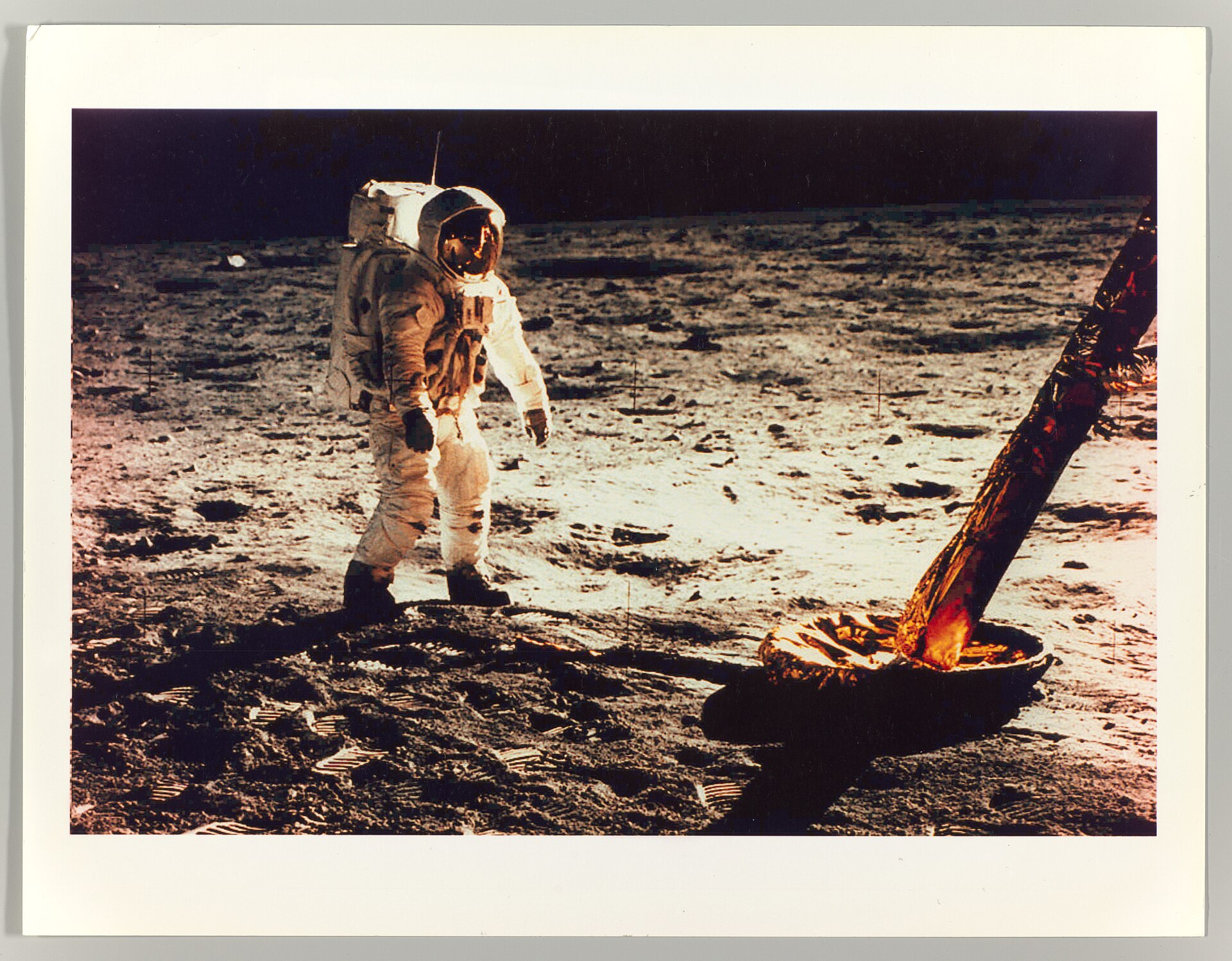
Every mission to deep space begins with the same punishing problem: fuel. Most of a rocket’s mass at launch is propellant needed simply to escape Earth’s gravity, leaving a fraction for the spacecraft itself. That is why the confirmed presence of water ice at the Moon’s poles has engineers so excited. Water can be split into hydrogen and oxygen, the highest-performing chemical rocket fuel in routine use. Harvest it on the Moon, where gravity is one-sixth of Earth’s, and the Moon stops being merely a destination and becomes a filling station for the solar system.
NASA’s Artemis programme is the framework within which much of this prospecting will happen, with crewed landings planned near the south pole precisely because that is where the ice is. Robotic missions are going first, carrying drills and analysers to answer the basic commercial questions: how much ice, how deep, how pure, and how hard to extract. Follow continuing space coverage on our homepage.
Ice in the permanent dark
At the lunar poles, the floors of some craters are tilted away from the Sun for billions of years, creating cold traps colder than the surface of Pluto. Molecules of water bouncing across the lunar surface eventually land in these traps and freeze for good. Orbiters have mapped hydrogen-rich deposits across the polar regions, and the signatures strengthen every year. The catch is the environment: temperatures near minus two hundred degrees, abrasive dust, no atmosphere, and terrain where a lander must thread between eternal shadow and nearby peaks that enjoy near-constant sunlight for power.
Extraction concepts sound like science fiction rendered in plumbing. Heated drills that sublimate ice and capture the vapour in a cold trap. Mirrors on crater rims beaming sunlight into the dark. Sealed tents over regolith warmed until water escapes. Each design must work robotically, in vacuum, with minimal maintenance, and the technology readouts from upcoming landers, catalogued among NASA’s missions, will show which approaches survive contact with reality.
The economics of a fuel stop
The case for lunar fuel rests on a comparison. Delivering a kilogramme of propellant from Earth to a depot in lunar orbit costs many thousands of dollars in launch capacity. Producing it on the Moon requires heavy equipment delivered once, then yields propellant continuously from local material. Studies differ on the break-even point, but for a sustained programme of Mars missions the sums increasingly favour the lunar route, especially as reusable rockets cut the cost of delivering the mining equipment itself.
There is a nearer market too. Satellites in Earth orbit increasingly want refuelling and life extension, and tugs running on lunar propellant could serve them. Whether a true market emerges depends on anchor customers, and space agencies are being courted to play that role, buying water or fuel as a service rather than building everything themselves. Our space and technology coverage will follow the first contracts closely, because they will decide whether lunar resources remain a research topic or become an industry.
Rival poles, shared questions
The United States and its partners are not alone at the pole. China has announced its own crewed lunar ambitions and an international research station concept with Russia, and both efforts target the same resource-rich region. The south pole’s useful real estate, sunlit ridges with line of sight to shadowed ice, is limited, which raises practical questions of coordination, interference and safety zones long before it raises any question of ownership.
For now the race is measured in instruments landed and samples characterised rather than fuel produced. But the direction is unmistakable. The Moon’s ice, locked away before life existed on Earth, may end up powering humanity’s first journeys to Mars, a cold inheritance spent on the warm ambition of going further than we ever have.
