

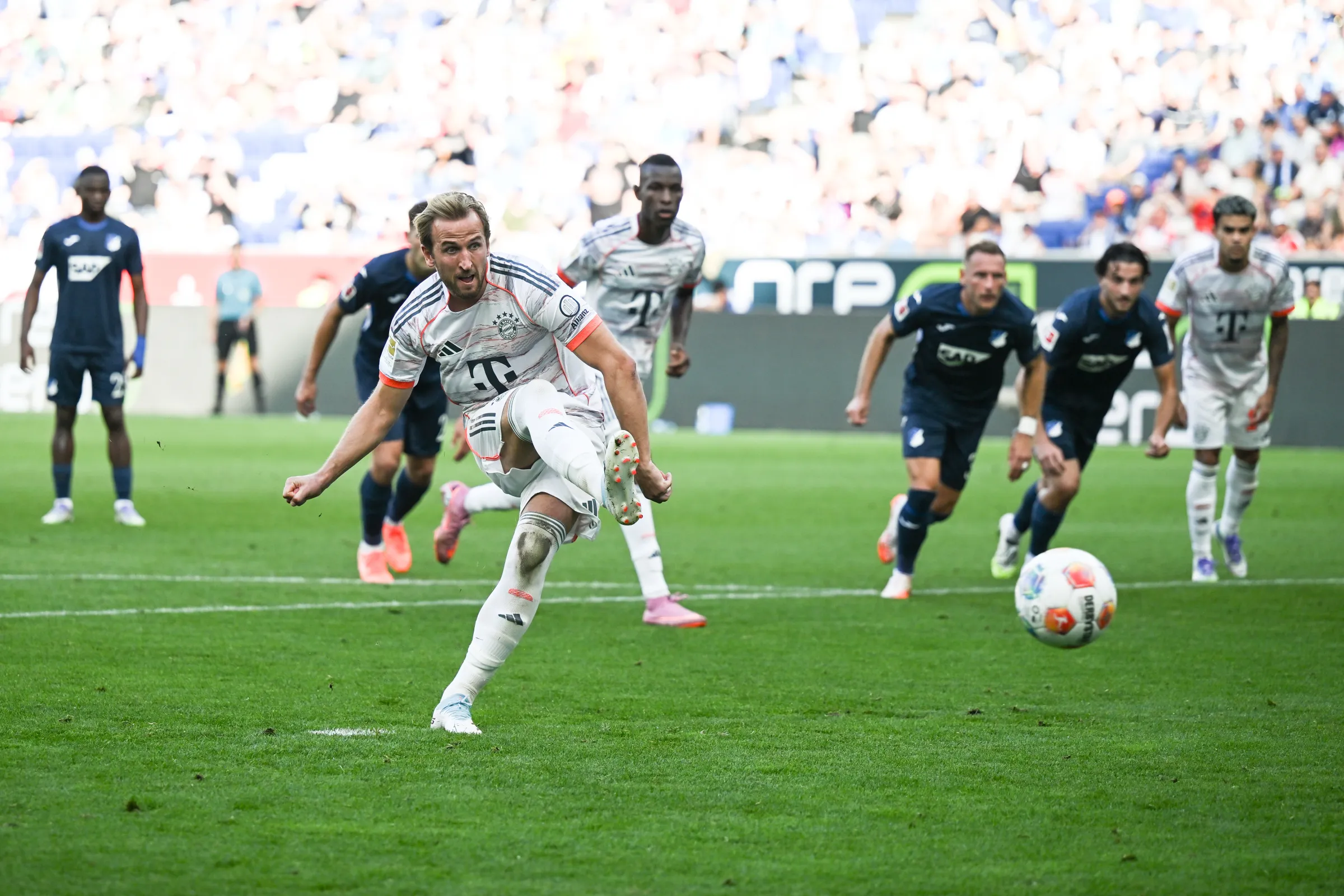
Penalty frequency in football isn’t random—it reflects pressing dynamics, defensive discipline, and individual composure. In the 2021/2022 Bundesliga season, certain clubs consistently forced situations inside the box through aggressive forward play, while others surrendered penalties through positional panic. For bettors, these statistical asymmetries created clear probabilities in both goalscorer and total-goals markets.
Understanding Penalty Distribution as a Structural Pattern
Bundesliga matches averaged 0.26 penalties per game in 2021/2022, slightly higher than the European top-five league mean. Yet within that number, situational extremes defined value opportunities. High-pressing attackers such as Leverkusen and Dortmund drew more fouls inside the 18-yard area because their tempo exposed defensive recovery gaps. Conversely, low-line defenses belonging to Augsburg or Stuttgart committed desperate challenges under late pressure, yielding costly penalties.
Quantifying Which Teams Won or Conceded Penalties
During the full campaign, disparity between attacking assertiveness and defensive precision generated predictable imbalances.
Table: Bundesliga 2021/2022 – Penalties won and conceded
| Team | Penalties Won | Penalties Conceded | Net Differential | Mechanism Behind Trend |
| Borussia Dortmund | 10 | 6 | +4 | Wide dribble incursions |
| Bayer Leverkusen | 9 | 5 | +4 | High-tempo cut-back entries |
| Bayern Munich | 8 | 3 | +5 | Central overload penetration |
| Hertha Berlin | 4 | 10 | -6 | Poor defensive spacing |
| Augsburg | 3 | 9 | -6 | Last-ditch foot challenges |
| Stuttgart | 5 | 8 | -3 | Late transitional response issues |
Offensively progressive clubs, relying on overlapping width and through-ball feeds, consistently tipped referee decisions toward attacking advantages. Meanwhile, structurally reactive groups in relegation fights recorded higher defensive block fouls—penalty potential packaged within survival instinct.
Tactical Reasons Behind Penalty Creation
Three primary structures drove penalty generation:
- Wide isolation mismatches forcing defenders into isolated duels.
- Late box entries from second-line midfielders catching recovering markers.
- Cross-volume increase during fatigue phases, elevating handball and contact probability.
By linking xG (expected goals) from open play with foul rate inside the final third, analysts forecasted which clubs maintained systemic likelihood of penalty triggers beyond luck. Bayern exemplified control-based causality; Hertha exemplified panic-based vulnerability.
Translating Penalty Frequency into Betting Value
Knowing which fixtures statistically tilt toward penalties reshapes niche market logic—“penalty awarded,” “penalty scored,” or “anytime scorer.” Bettors aware of systemic tendencies forecast not only event probability but psychological tilt: teams accustomed to winning penalties often demonstrate calm execution, while those conceding repeatedly crumble under scenario repetition.
Integrating Predictive Metrics with UFABET Tools
For those leveraging live data ecosystems to quantify incident-based betting, ufabet offers a web-based environment that correlates foul density, average touches in box per 90 minutes, and referee call frequency. Observing these layers allows bettors to approximate where penalty triggers cluster—especially critical when high-traffic sides like Leverkusen face reactive units with notable tackling inefficiency. This integration transforms qualitative judgment into real-time probability assessment, bridging tactical observation and odds movement before market reaction finalizes.
H3: How Refereeing Profiles Influence Variance
Referees administering above-average contact thresholds reduced penalty counts by up to 40%, particularly in high-tempo duels. Identifying match assignments involving lenient officials thus tempered betting expectation for penalty-based markets, proving that game context, not only team tendency, drives event frequency.
When Penalty Streaks Distort Perception
Teams on multi-game penalty sequences often trigger bookmaker overadjustment. Line inflation around “penalty to be awarded” markets produces poor long-term value once psychological expectation outpaces actual match structure. Savvy bettors evaluate repeatability through ball-possession share and dribble volume instead of narrative-based streaks.
Psychological and Statistical Correction in casino online Perspective
In broader probability frameworks resembling risk equilibrium models within a casino online climate, artificial streak confidence explains regression mechanics. Just as gamblers misinterpret independent outcomes as patterns, bettors misprice recurring penalties as permanent traits. Retaining objectivity under perceived form ensures strategic stability; every match reverts to its inherent 26% occurrence probability absent structural cause.
Defensive Behavior and Seasonal Adjustment
End-season trend reversal saw fewer penalties awarded as referees adapted to player anticipation strategies—defenders delaying challenges and attackers favoring controlled contact. Bookmakers gradually corrected markets downward, rewarding bettors adjusting earlier than public consensus. Recognizing where officiating evolution intersects with tactical maturity became decisive for profitable market exit timing.
Summary
Penalty trends during the 2021/2022 Bundesliga season revealed consistent cause–effect foundations within match systems. Aggressive attackers generated contact by design; nervous defenders committed through desperation. True value for bettors lay in translating structure into scenario probability—balancing tactical pattern, referee style, and emotional cycle. In statistical reality, the penalty spot isn’t luck’s arena—it’s where awareness meets exploitation.
