

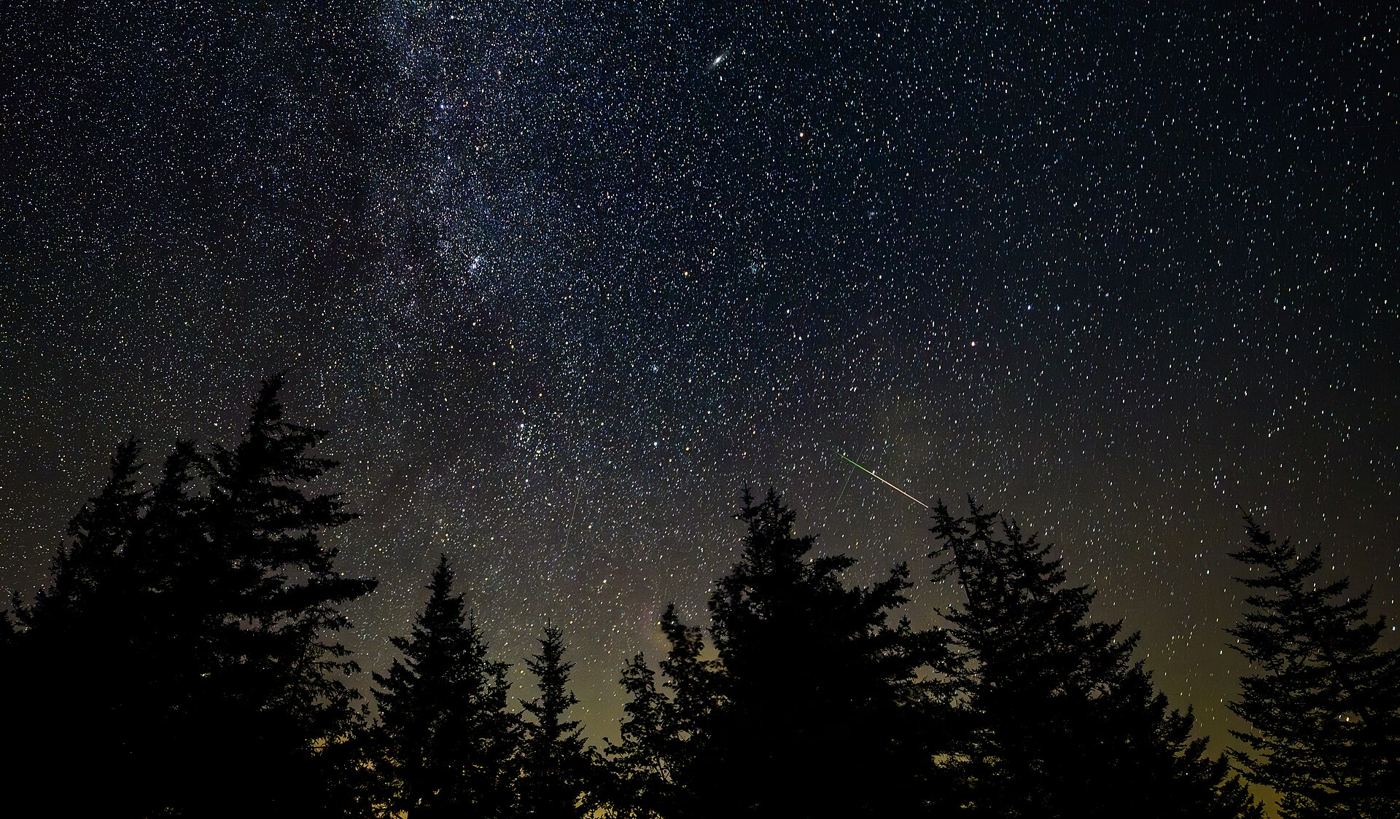
The Leonid meteor shower peaked on the night of November 17 to 18, 2026, giving skywatchers one of the year’s best chances to see bright, fast shooting stars. The shower is active from November 6 to 30, and the International Meteor Organization expected up to 15 meteors an hour at the peak under clear, dark skies, with the best viewing in the hours between midnight and dawn. The Leonids are among the fastest meteors in the sky, entering the atmosphere at about 70 kilometres per second, and they appear to radiate from the constellation Leo. This year the first quarter moon set around midnight on the peak night, leaving dark skies for the main display.
What the Evidence Shows
The meteors come from the dust trail of comet 55P/Tempel-Tuttle, which Earth crosses every November, and the shower is famous for the great storms it produced in 1966, 1999, 2001 and 2002, when thousands of meteors fell in a single hour. No storm was expected in 2026, and researchers say the next strong displays are likely in 2031, 2033 and 2034. This year’s shower also came with a bonus for early risers: the planets Mars and Jupiter stood close together near Leo, the constellation from which the meteors appear to stream. The shower remains visible, at lower rates, until November 30. Observers needed only a dark spot, a wide view of the sky and patience, with no telescope or special equipment required. Reporting and analysis from sources such as NASA track the same developments, and specialists following Leonid meteor shower peak November 2026 say the direction is now consistent across independent lines of evidence.
The Wider Context
Funding bodies are watching Leonid meteor shower peak November 2026 closely because the work sits at the junction of basic curiosity and practical return. Grant panels increasingly ask for a path from discovery to application, while researchers push back that the most valuable uses of fundamental science are rarely the ones written into the original proposal. The tension is productive when both sides stay honest about timescales.
What Happens Next
The long view on Leonid meteor shower peak November 2026 is that fields advance by accumulation rather than by single announcements. This result adds a solid, checkable piece to a structure many teams are building, and its authors have shared their data so the piece can be tested from every side. That is how the picture eventually becomes reliable enough to act on. You can follow related developments in our coverage of science.
It is also worth remembering how quickly the picture in this area has changed before. Positions that looked settled a few years ago have been revised as new data arrived, and the same humility is appropriate now. The strongest coverage of this subject, and the most useful advice, tends to come from sources that update their views openly when the facts move, rather than defending an earlier position long after it has stopped fitting the evidence available.
