

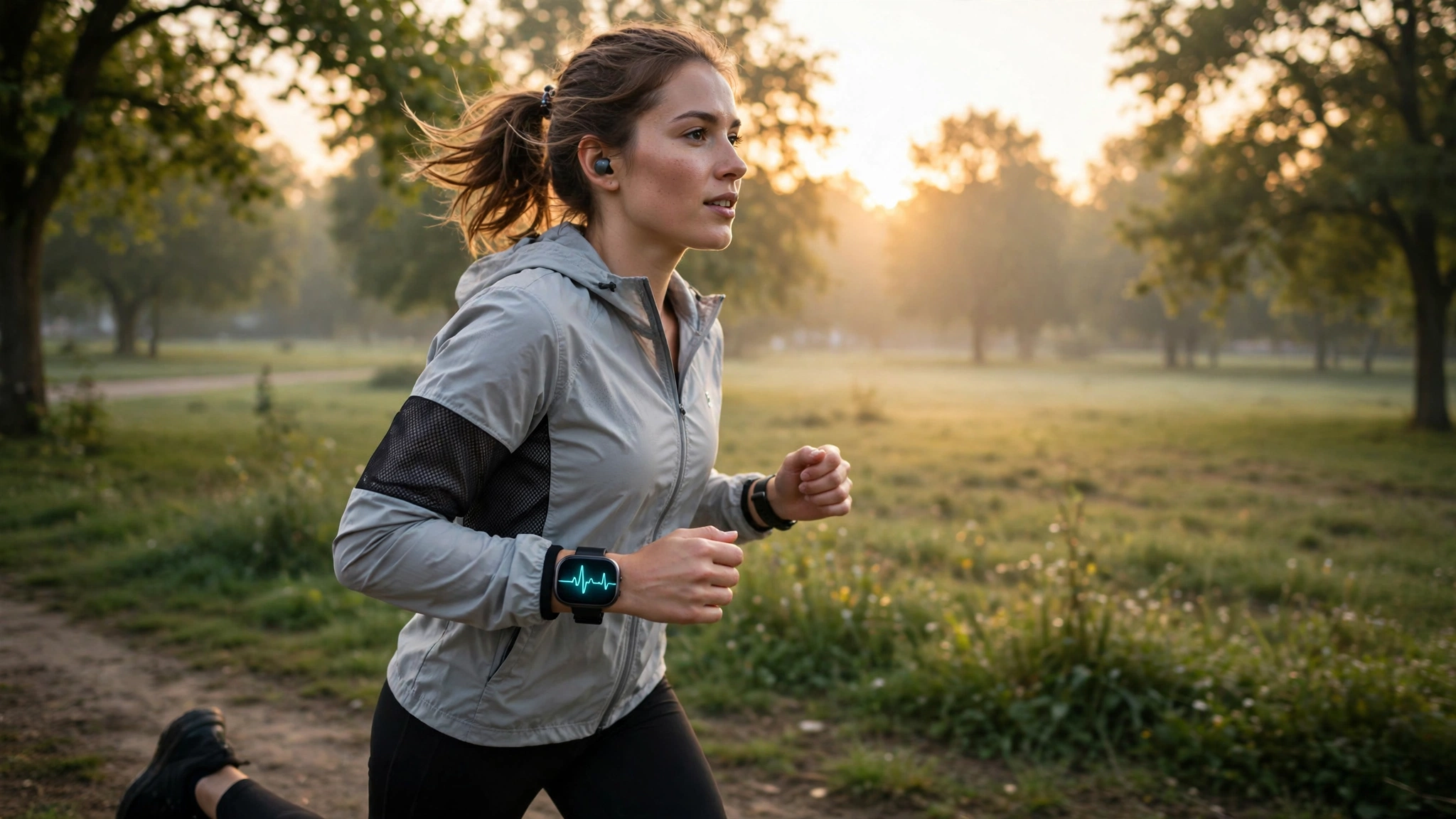
The smartwatch on your wrist in 2026 is less a pedometer and more a quiet health observer. Modern wearables track heart rhythm continuously, flag possible atrial fibrillation, estimate blood oxygen, analyse sleep stages, measure skin temperature trends and even infer stress and recovery. Sales keep climbing, and so does a fair question: how much of this data is genuinely useful, and how much is expensive reassurance? For more stories at the meeting point of technology and wellbeing, see the health section on TechNewsTop.
From step counts to clinical signals
The shift happened gradually. Early devices counted movement; newer sensors read the body itself. Optical heart sensors became accurate enough to detect irregular rhythms, and regulators in several countries cleared specific detection features for medical-adjacent use. Temperature trending turned out to be surprisingly powerful — deviations from your personal baseline can hint at approaching illness days before symptoms. Sleep tracking matured from novelty graphs into consistent staging that sleep researchers broadly respect. Perhaps most importantly, devices stopped reporting raw numbers and started reporting changes: your data compared with your own history is far more meaningful than your data compared with a population average.
The features that actually matter in 2026
If you are buying or upgrading, four capabilities earn their keep. Irregular-rhythm notifications have documented cases of prompting life-saving check-ups. Fall and crash detection quietly protects older users and cyclists. Recovery and readiness scores, built from heart-rate variability and sleep, genuinely help athletes and shift workers pace themselves. And longitudinal trend reports — the monthly view, not the daily noise — are what doctors find useful when patients bring them in. Public-health bodies including the World Health Organization increasingly acknowledge wearables as tools for physical-activity promotion, while regulators such as the U.S. Food and Drug Administration maintain lists of cleared features so buyers can separate validated functions from marketing.
Accuracy, privacy and the limits of wrist data
Honesty requires caveats. Wrist sensors struggle during intense exercise, on loose fits and across different skin tones, though each generation narrows the gaps. A wearable is a screening tool, not a diagnosis: a normal reading does not rule out illness, and an alert is a prompt to check, not a verdict. Privacy deserves equal attention. Health data is among the most sensitive information a person generates, so review what your device shares, with whom, and whether it is sold or used for advertising. Prefer platforms that process data on-device or under clear, exportable, deletable policies. Our latest tech news regularly covers how the major platforms handle these questions.
The category is also widening beyond the wrist. Smart rings now track sleep and recovery with less bulk, adhesive patches monitor temperature and heart data for days at a time, and smart clothing is entering rehabilitation and elite sport. Continuous glucose monitors, once restricted to diabetes care, are being explored by athletes and the simply curious — a trend regulators watch carefully, since metabolic claims demand strong evidence. The direction of travel is clear: sensing is becoming ambient, continuous and increasingly invisible, woven into objects you already wear.
Choosing the right device
Match the device to the job. For general fitness and sleep, mid-range watches now cover nearly everything most people need. For heart-health monitoring, prioritise models with regulator-cleared rhythm features and good sensor reviews. For endurance sports, battery life and GPS accuracy outrank everything else. Whatever you choose, wear it consistently — the value of a wearable compounds with time, because trends need history.
The bottom line
Wearable health tech has grown up. Used well, it turns vague feelings about energy, sleep and stress into evidence you can act on, and occasionally into an early warning that truly matters. Used badly, it is a source of anxiety and ignored notifications. The difference lies in watching trends, respecting limits and remembering that the device works for you — not the other way around. Start small, stay consistent, and let the long view guide your choices over time.
