

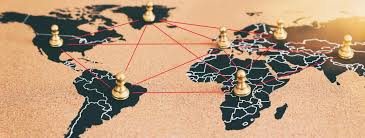
Geopolitical tension has become one of the most defining forces shaping modern warfare strategies in today’s interconnected world. Nations are no longer relying solely on traditional military power to assert dominance or defend their interests. Instead, they are using a mix of economic pressure, cyber operations, intelligence tactics, and strategic alliances to influence outcomes without always engaging in direct combat. This shift has transformed how conflicts emerge and how they are managed, making geopolitical tension a central element in global security discussions.
At its core, geopolitical tension refers to the strain between countries due to political, economic, territorial, or ideological differences. These tensions can escalate quickly, especially in a world where information travels instantly and global markets are tightly linked. Understanding how geopolitical tension impacts modern warfare strategies is essential for anyone interested in global affairs, as it reveals the hidden mechanisms behind conflicts and the subtle ways nations compete for power and influence.
The Evolution of Warfare in a Tense Global Landscape
Warfare has evolved significantly over the past century, moving from large-scale battles between armies to more complex and layered forms of conflict. In the past, wars were often fought on clearly defined battlefields with visible enemies. Today, geopolitical tension has blurred these lines, leading to conflicts that are less visible but equally impactful. Cyberattacks, economic sanctions, and information warfare are now common tools used by nations to weaken opponents without firing a single shot.
This evolution reflects a deeper understanding of how power works in the modern world. Countries recognize that controlling information, technology, and economic systems can be just as powerful as controlling land. As a result, modern warfare strategies are designed to exploit vulnerabilities in these areas. Geopolitical tension drives innovation in military and non-military tactics, pushing nations to develop new ways to gain an advantage while avoiding full-scale war.
How Geopolitical Tension Shapes Military Planning
Military planning today is heavily influenced by geopolitical tension, as nations must prepare for a wide range of possible threats. Instead of focusing only on traditional enemies, military leaders now consider cyber threats, economic disruptions, and hybrid warfare tactics. This broader approach requires a high level of coordination between different branches of government, including defense, intelligence, and economic agencies.
Geopolitical tension also affects how resources are allocated. Countries invest heavily in advanced technologies such as artificial intelligence, drones, and surveillance systems to stay ahead of potential adversaries. These investments are not just about defense but also about deterrence. By demonstrating strength and capability, nations aim to discourage others from taking aggressive actions. In this way, geopolitical tension directly influences the priorities and strategies of modern military planning.
The Role of Technology in Modern Conflict
Technology has become a key driver in modern warfare, and its role continues to grow as geopolitical tension increases. Cyber warfare is one of the most significant developments, allowing countries to disrupt critical infrastructure, steal sensitive information, and influence public opinion. These actions can have serious consequences without the need for physical confrontation, making them an attractive option in times of tension.
In addition to cyber capabilities, advancements in communication and data analysis have transformed how wars are fought and managed. Real-time intelligence allows military forces to respond quickly to threats, while sophisticated algorithms help predict potential conflicts before they occur. Geopolitical tension fuels the race for technological superiority, as nations compete to develop the most advanced tools for both defense and offense. This competition is reshaping the nature of warfare, making it more complex and less predictable.
Economic Pressure as a Strategic Weapon
Economic tools have become a powerful weapon in the context of geopolitical tension. Sanctions, trade restrictions, and financial controls are commonly used to pressure nations into changing their behavior. These measures can weaken an opponent’s economy, limit their access to resources, and create internal instability, all without direct military engagement.
The use of economic pressure reflects a shift in how conflicts are approached. Instead of relying solely on force, countries use their economic influence to achieve strategic goals. This approach is often more sustainable and less risky than traditional warfare, as it avoids the human and financial costs associated with armed conflict. However, it also requires careful planning and coordination, as economic actions can have unintended consequences for global markets and alliances. Geopolitical tension makes these strategies more relevant, as nations seek to balance power without escalating conflicts.
Alliances and Power Dynamics in a Tense World
Alliances play a crucial role in shaping modern warfare strategies, especially in an environment marked by geopolitical tension. Countries often form partnerships to strengthen their position and deter potential threats. These alliances can provide access to shared resources, intelligence, and military support, making them a key element of national security.
However, alliances also add complexity to global power dynamics. When tensions rise, the actions of one country can have ripple effects across its allies, potentially escalating conflicts. This interconnectedness requires careful diplomacy and strategic planning. Nations must balance their commitments to allies with their own interests, ensuring that they do not become entangled in conflicts that could have been avoided. Geopolitical tension highlights the importance of strong and flexible alliances in maintaining stability and preventing large-scale wars.
The Future of Warfare in an Era of Rising Tension
As geopolitical tension continues to rise, the future of warfare is likely to become even more complex and multifaceted. Emerging technologies such as artificial intelligence, autonomous weapons, and space-based systems will play a larger role in shaping conflicts. These advancements will create new opportunities and challenges, as nations seek to integrate them into their strategies while managing the risks associated with their use.
At the same time, the nature of conflict may continue to shift toward non-traditional forms. Information warfare, cyber operations, and economic strategies will likely become even more prominent, as they offer effective ways to achieve objectives without direct confrontation. Geopolitical tension will remain a driving force behind these developments, influencing how nations prepare for and respond to potential threats. Understanding these trends is essential for anticipating the future of global security and ensuring that strategies remain effective in a rapidly changing world.
Conclusion
Geopolitical tension is a powerful force that shapes modern warfare strategies in profound ways. From the evolution of conflict and the role of technology to the use of economic pressure and the importance of alliances, it influences every aspect of how nations prepare for and engage in conflict. As the global landscape continues to evolve, understanding the impact of geopolitical tension is more important than ever. It provides valuable insights into the strategies that define modern warfare and the challenges that lie ahead in maintaining global stability.
