

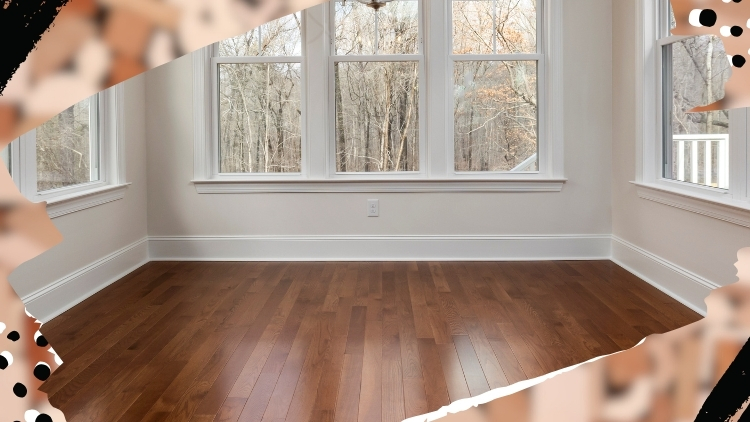
Skirting boards are often the unsung heroes of interior design. They not only protect walls from damage but also enhance the overall look of a room, providing a polished and cohesive finish. This FAQ-style guide explores skirting board solutions, helping homeowners choose designs that balance functionality with aesthetic appeal.
What Are Skirting Boards and Why Are They Essential?
Skirting boards, also known as baseboards, are decorative panels installed at the junction where walls meet floors. Their primary purpose is to protect walls from scuffs, knocks, and dirt caused by furniture, cleaning tools, and everyday movement. Beyond protection, they offer a finishing touch that defines the style of a room, adding elegance, character, and visual continuity.
What Materials Are Available for Skirting Boards?
The choice of material affects durability, maintenance, and design options:
- MDF (Medium-Density Fiberboard): Affordable, easy to paint, and ideal for modern or classic profiles. MDF is smooth, consistent, and can be shaped into intricate designs.
- Solid Wood: Durable and timeless, offering natural beauty and warmth. Woods like oak, pine, or maple can be stained or painted. Perfect for traditional and high-end interiors.
- PVC: Water-resistant, lightweight, and low-maintenance, suitable for kitchens, bathrooms, and areas exposed to moisture. Available in various colors and finishes.
- Metal: Contemporary and industrial spaces benefit from metal skirting boards, which are highly durable and add sleek, modern lines.
How Do I Choose the Right Skirting Board Design for My Interior?
The design depends on the room’s style, ceiling height, and overall aesthetic:
- Modern Interiors: Choose straight-edged, minimal profiles for a clean and understated look.
- Traditional Interiors: Opt for detailed or curved profiles, including ogee or bullnose designs, to complement classic décor.
- High Ceilings: Taller boards (150–250mm) add proportion and elegance.
- Small Rooms: Narrower boards (50–100mm) prevent overwhelming the space and maintain balance.
Can Skirting Boards Protect Walls Effectively?
Absolutely. Skirting boards act as a barrier against impacts from furniture, cleaning equipment, and everyday wear and tear. In high-traffic areas like hallways or children’s rooms, choosing sturdy materials such as solid wood or high-density MDF provides lasting protection and prevents costly wall repairs.
What Height Is Ideal for Skirting Boards?
The height should complement the room’s dimensions and style:
- Standard Height: 100–120mm is common, offering sufficient protection without dominating the space.
- Tall Skirting Boards: 150–250mm suit high-ceiling rooms, adding a traditional and elegant touch.
- Low Skirting Boards: 50–80mm are perfect for minimalist or modern spaces, keeping the look sleek and simple.
What Are Popular Skirting Board Profiles?
Profiles can subtly or dramatically influence a room’s style:
- Straight Edge: Minimalist, modern, and understated.
- Ogee: Curved design for classic interiors with soft elegance.
- Chamfered: Beveled edges for a clean, subtle effect.
- Step: Layered profiles add depth and interest.
- Bullnose: Rounded edges that create a softer, traditional feel and improve safety in homes with children.
How Are Skirting Boards Installed?
Installation is straightforward if approached carefully:
- Measure and Cut: Accurately measure walls and cut boards at appropriate angles for corners.
- Attach Boards: Nail, screw, or glue boards to walls depending on material and wall type. Adhesive works well for MDF or PVC.
- Seal Gaps: Fill corners and joints with caulk or wood filler for a seamless finish.
- Finish Surface: Sand lightly, then paint, stain, or varnish as needed. Pre-finished boards simplify this step.
Can Skirting Boards Be Painted or Stained?
Yes, painting or staining allows homeowners to integrate boards seamlessly with walls or create visual contrast:
- Matching Wall Color: Creates a uniform, subtle appearance.
- Contrasting Color: Highlights architectural details and adds a bold statement.
- Finish Options: Gloss or satin finishes are durable and easy to clean, while matte finishes offer a soft, understated look.
Are Skirting Boards Suitable for Moist Areas?
Yes, but material choice is important. PVC or moisture-resistant MDF is ideal for kitchens, bathrooms, or basements. Solid wood should be sealed or painted with protective coatings to prevent warping, swelling, or mold growth.
Do Skirting Boards Help With Sound Insulation?
Indirectly. By sealing gaps between walls and floors, skirting boards can reduce drafts and minor sound transmission. While not a substitute for dedicated soundproofing, they contribute to quieter interiors when used alongside insulation and flooring underlays.
How Do I Maintain Skirting Boards?
Proper maintenance ensures longevity and visual appeal:
- Dust Regularly: Use a soft cloth or vacuum brush attachment.
- Clean Gently: Wipe with a damp cloth and mild detergent; avoid harsh chemicals.
- Repair Minor Damage: Fill scratches or dents with wood filler and repaint as necessary.
- Refinish Periodically: Refresh paint or stain to maintain elegance and protection.
Are There Skirting Board Designs With Additional Features?
Modern designs offer functional enhancements:
- Cable Management: Hollow boards conceal electrical wires, internet cables, and speaker wiring.
- Integrated Lighting: LED strips can be added for soft ambient lighting along floors or walls.
- Heated Skirting Boards: Compatible with underfloor heating systems, allowing heat circulation while maintaining aesthetic appeal.
Do Skirting Boards Add Value to a Home?
Yes. Well-chosen and well-installed skirting boards enhance interior finishes, signaling attention to detail and quality craftsmanship. Stylish boards can make spaces feel more refined, increasing overall home value and appeal to potential buyers.
What Are Current Trends in Skirting Board Design?
Home design trends focus on minimalism, versatility, and subtle elegance:
- Minimalist Profiles: Flush-fit or low-profile boards complement modern interiors.
- Bold Contrasts: Dark boards against light walls create dramatic visual impact.
- Custom Heights: Mixing tall and narrow boards adds dimension and interest across spaces.
- Material Combinations: Blending wood, metal, or PVC can produce innovative design statements.
Can I Install Skirting Boards Myself?
DIY installation is feasible, especially for simple, low-profile boards. Precision is key for a seamless finish. Professional installation is recommended for intricate designs, tall boards, or rooms with irregular corners and uneven walls to ensure a flawless appearance.
How Can I Update Existing Skirting Boards Without Full Replacement?
Several solutions refresh boards without removing them entirely:
- Painting or Staining: A new color can dramatically change the room’s look.
- Adding Decorative Moldings: Overlaying trim creates a detailed and refined appearance.
- Skirting Board Covers: Pre-finished covers can be installed over existing boards for a quick update.
What Should I Consider When Choosing Skirting Boards?
Important factors include:
- Room Dimensions: Height and style should complement ceilings and proportions.
- Material Durability: Consider traffic, moisture, and maintenance needs.
- Design Consistency: Boards should coordinate with wall colors, flooring, and furniture.
- Budget: MDF is cost-effective, while solid wood and custom designs provide a premium finish.
Are Skirting Boards Recyclable or Reusable?
Many skirting board materials can be recycled or repurposed:
- MDF, PVC, and Wood Offcuts: Can be recycled or used in smaller projects.
- Solid Wood Boards: Can be refinished or reused in different rooms, reducing waste.
Do Skirting Boards Influence Room Lighting?
Yes. Light-colored boards reflect light and brighten spaces, while dark boards create depth and contrast. Integrated LED boards enhance ambient lighting along floors, adding warmth and elegance to interiors.
Conclusion
Skirting boards are essential for protecting walls while adding style and elegance to any room. With a wide range of materials, profiles, and functional enhancements, homeowners can select boards that suit both practical and aesthetic needs. Proper installation, thoughtful design, and regular maintenance ensure that skirting boards contribute significantly to the overall beauty and functionality of interiors. From modern minimalism to classic ornate styles, skirting boards offer endless opportunities to enhance living spaces while safeguarding walls.
