

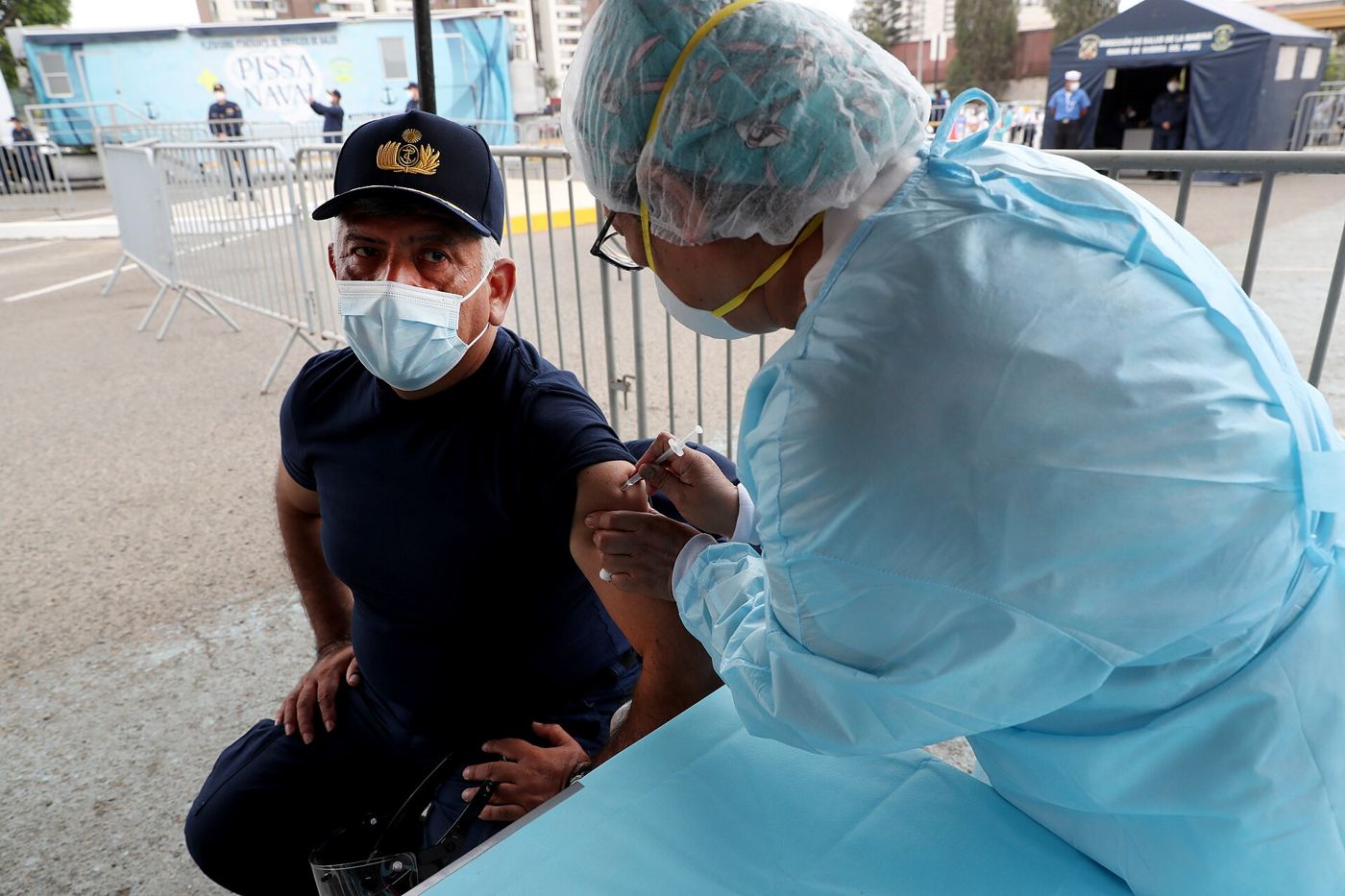
Respiratory syncytial virus, or RSV, is a familiar winter illness that most people know as a bad cold. For babies and older adults it can be far worse, filling hospital wards every winter with pneumonia and breathing failure. Until 2023 there was no vaccine at all, despite decades of research. That changed in May 2023, when the United States Food and Drug Administration approved the first two RSV vaccines for older adults, Arexvy from GSK and Abrysvo from Pfizer, followed by Moderna’s mResvia in May 2024. The vaccines are recommended as a single dose for all adults aged 75 and older, and for adults aged 50 to 74 who are at increased risk of severe disease. Abrysvo is also given during pregnancy, between 32 and 36 weeks, so that antibodies pass to the baby and protect it in its first months of life.
What the Evidence Shows
The impact has been rapid. The United States Centers for Disease Control and Prevention estimates RSV causes 110,000 to 180,000 hospitalisations each year among American adults aged 50 and older, and experts estimate the vaccine could prevent up to a quarter of those. For babies, the protection is even greater: alongside a long-acting antibody treatment called nirsevimab, given directly to infants, immunisation could prevent up to three quarters of infant RSV hospitalisations. The vaccines work by targeting the virus’s fusion protein, the part it uses to enter human cells, a design that took decades to perfect after an early failed vaccine in the 1960s set research back. The challenge now is uptake: many eligible adults still do not know the vaccine exists, and health services must reach them before each winter season arrives. Reporting and analysis from sources such as NASA track the same developments, and specialists following RSV vaccines say the direction is now consistent across independent lines of evidence.
The Wider Context
Funding bodies are watching RSV vaccines closely because the work sits at the junction of basic curiosity and practical return. Grant panels increasingly ask for a path from discovery to application, while researchers push back that the most valuable uses of fundamental science are rarely the ones written into the original proposal. The tension is productive when both sides stay honest about timescales.
What Happens Next
The long view on RSV vaccines is that fields advance by accumulation rather than by single announcements. This result adds a solid, checkable piece to a structure many teams are building, and its authors have shared their data so the piece can be tested from every side. That is how the picture eventually becomes reliable enough to act on. You can follow related developments in our coverage of science.
It is also worth remembering how quickly the picture in this area has changed before. Positions that looked settled a few years ago have been revised as new data arrived, and the same humility is appropriate now. The strongest coverage of this subject, and the most useful advice, tends to come from sources that update their views openly when the facts move, rather than defending an earlier position long after it has stopped fitting the evidence available.
