

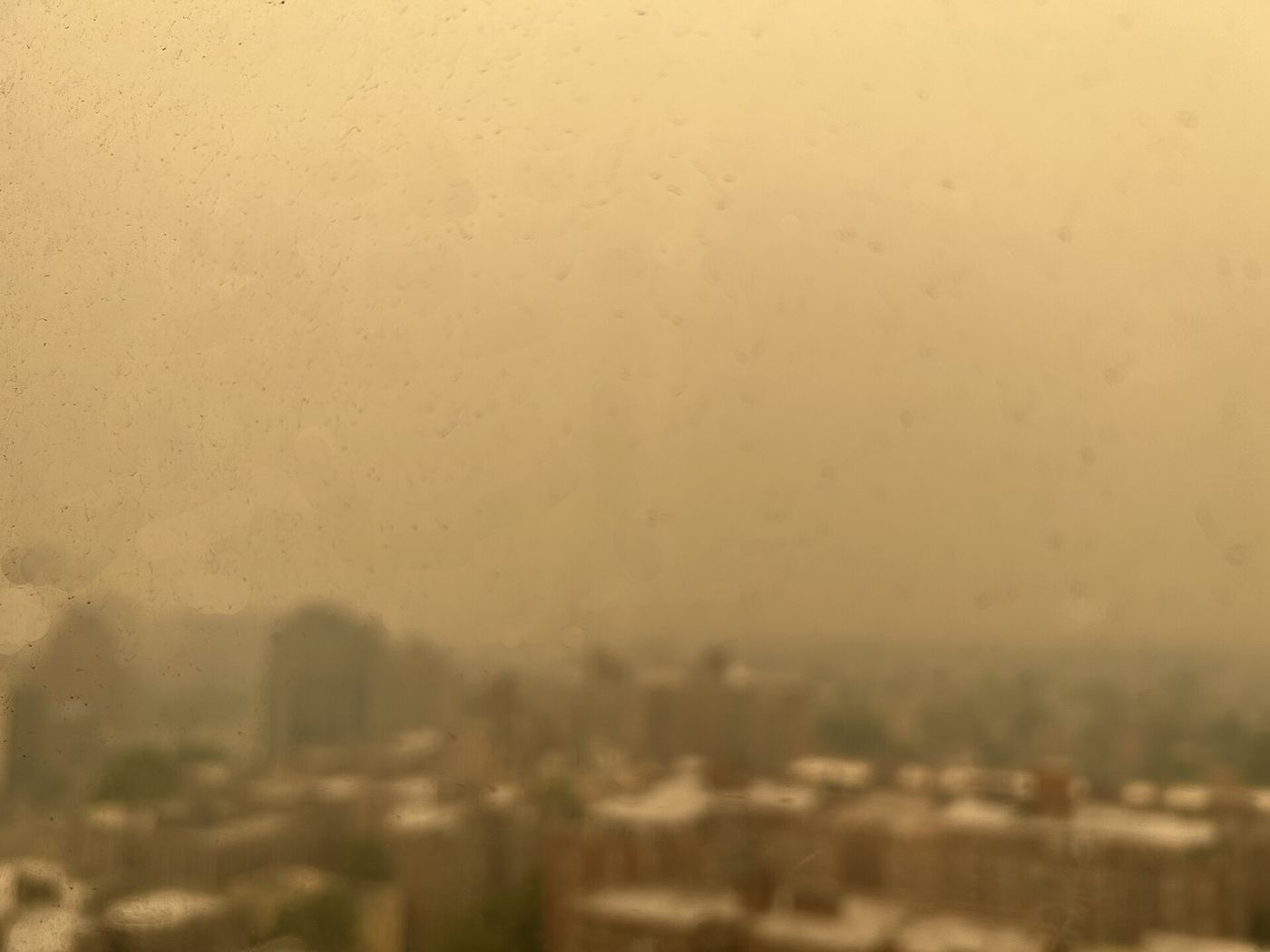
Air pollution can vary sharply within a single city, with a busy junction, a bus depot or a sheltered street recording very different conditions from a park only a short walk away. Official monitoring stations remain the reference standard, but they are too few to capture that local detail, so cities and community groups are adding denser networks of smaller sensors. Used carefully and calibrated against trusted instruments, those sensors can reveal hot spots around schools, hospitals and crowded housing, and show how pollution changes by hour, season and traffic pattern. The aim is not to replace professional monitoring, but to give residents and councils a clearer picture of the air people actually breathe where they live. Schools and clinics are often among the first places fitted with monitors, because children, older people and patients with breathing conditions are among those most affected by poor air, and because daily routines there follow predictable patterns worth protecting.
What the Evidence Shows
Health researchers stress that sensor data needs context, because low-cost devices can drift and weather can strongly affect readings on any single day. Long records, checked regularly, are far more useful than dramatic one-off numbers shared without explanation. Where networks are well run, the evidence can support practical steps such as cleaner bus routes, safer walking routes to school, better ventilation in buildings and enforcement against the dirtiest vehicles. For residents, there is also a civic benefit, in that pollution stops being an abstract citywide average and becomes a local condition that can be measured, discussed and, over time, improved street by street. Over several years, neighbourhood records can also show whether a new traffic scheme, bus fleet or planning rule actually improved the air, replacing argument and impression with measured change that residents can check for themselves on public dashboards. Reporting and analysis from sources such as Nature track the same developments, and specialists following neighbourhood air quality monitoring say the direction is now consistent across independent lines of evidence.
The Wider Context
The wider context is a research landscape in which replication and open data now decide reputations. Findings connected to neighbourhood air quality monitoring are being checked by independent groups with shared datasets, and the teams involved publish their methods in full so rivals can test every step. That discipline is slower than a headline cycle, but it is why results in this area increasingly survive first contact with scrutiny.
What Happens Next
What happens next in the story of neighbourhood air quality monitoring will be decided by follow-up work already under way: larger samples, longer observation and instruments that have not yet come online. The researchers involved are unusually united on one point, that the current results justify the next investment of time and money. Readers will not have to wait long for the first tests of that claim. You can follow related developments in our coverage of science.
None of this will be settled by a single announcement, study or product launch. The pattern to watch is accumulation: independent confirmations, honest reporting of failures and steady improvement in the underlying numbers. Readers who follow those signals, rather than the loudest claim of the week, will understand this subject better than most of the commentary surrounding it suggests is possible.
