

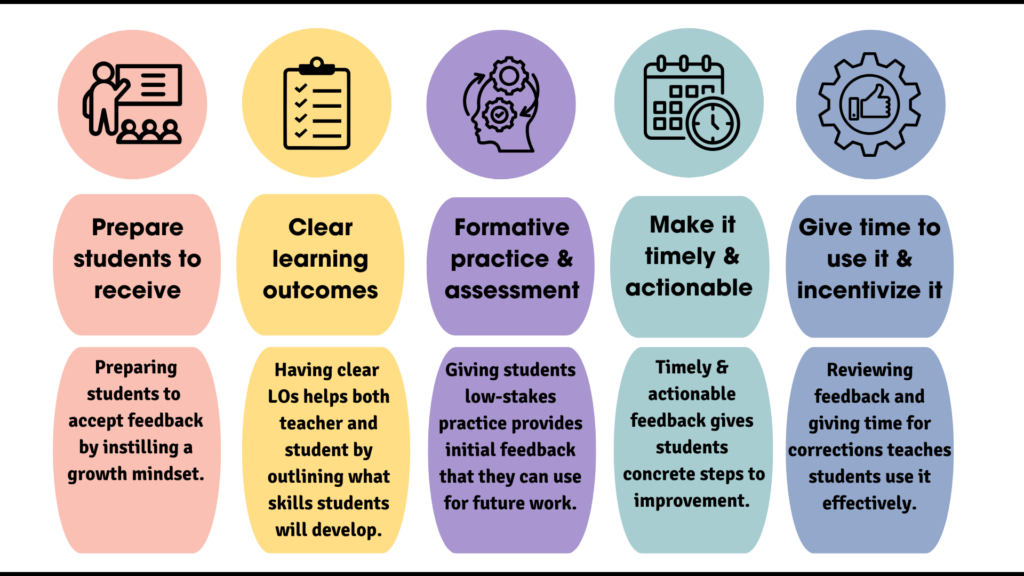
Assessment practices have evolved dramatically from traditional testing models toward more comprehensive approaches that inform instruction and support student growth. When teachers implement varied assessment strategies, they gain deeper insights into student understanding and can adjust instruction accordingly. The integration of tech platforms has revolutionized how educators collect, analyze, and respond to assessment data. This article explores contemporary assessment and feedback practices that promote learning rather than simply measuring it.
Balancing Formative and Summative Assessment
Effective assessment systems incorporate both formative and summative measures, each serving distinct purposes in the learning process. Formative assessments—quick checks for understanding, exit tickets, observations, and informal questioning—provide real-time feedback that guides instructional decisions. These low-stakes assessments help teachers identify misconceptions early and adjust teaching before students fall behind. The frequency and immediacy of formative assessment make it invaluable for responsive teaching.
Summative assessments evaluate learning at the end of instructional units, measuring mastery of specific standards or objectives. While these assessments carry more weight in determining grades, they should still provide useful information about student learning and program effectiveness. The key is ensuring summative assessments align with learning objectives and instructional activities, measuring what was actually taught. Combining multiple assessment types—tests, projects, presentations, portfolios—provides a more complete picture of student achievement than any single measure could offer.
Providing Timely and Actionable Feedback
Feedback quality matters more than quantity when it comes to improving student learning. Effective feedback is specific, focusing on particular aspects of student work rather than vague praise or criticism. It should be actionable, providing clear guidance on how to improve rather than simply identifying what’s wrong. Timely feedback delivered while students are still engaged with the material has greater impact than delayed responses that arrive after students have moved on mentally.
The most powerful feedback focuses on the task, process, and self-regulation rather than personal characteristics. Commenting on effort, strategies used, and specific elements of the work helps students understand what they did well and what needs improvement. Feedback should also be balanced, acknowledging strengths while addressing areas for growth. This approach maintains student motivation and confidence while promoting continuous improvement. Involving students in self-assessment and peer feedback processes develops metacognitive skills and deepens understanding of quality work.
Implementing Standards-Based Grading
Standards-based grading represents a shift from traditional percentage-based systems toward assessment focused on mastery of specific learning objectives. This approach separates academic achievement from behavioral factors like participation and homework completion, providing clearer information about what students actually know and can do. Students receive scores on individual standards rather than averaged grades, allowing for more precise identification of strengths and weaknesses.
This system also supports growth mindset by allowing reassessment opportunities when students demonstrate improved understanding. Rather than accepting initial performance as final, standards-based grading recognizes that learning happens at different rates and values eventual mastery over speed of acquisition. This approach reduces grade anxiety and encourages students to view assessment as a learning tool rather than a judgment. However, implementing standards-based grading requires clear communication with students, parents, and administrators about how the system works and what scores mean.
Utilizing Technology for Assessment and Data Analysis
Digital assessment tools streamline the collection and analysis of student performance data, enabling more efficient and effective use of assessment information. Online quizzes and tests provide immediate results, allowing teachers to identify struggling students quickly and provide timely intervention. Learning management systems track student progress over time, revealing patterns that might not be apparent from individual assignments. Data visualization tools transform raw numbers into meaningful graphs and charts that inform instructional decisions.
Technology also enables more authentic and varied assessment formats. Digital portfolios showcase student growth over time, including multimedia artifacts that demonstrate learning in ways traditional tests cannot capture. Video recordings allow students to demonstrate skills and reflect on their learning processes. Collaborative online projects assess teamwork and digital literacy skills increasingly important in modern workplaces. Adaptive assessment platforms adjust question difficulty based on student responses, providing more accurate measures of ability while reducing test anxiety. These technological tools complement rather than replace teacher judgment, providing additional information to inform holistic understanding of student learning.
Conclusion
Modern assessment practices recognize that evaluation should support learning rather than simply measure it. By balancing formative and summative approaches, providing quality feedback, implementing standards-based grading, and leveraging technology thoughtfully, educators create assessment systems that inform instruction and promote student growth. The most effective assessment practices are transparent, fair, and focused on helping students understand their progress and next steps. As education continues to evolve, assessment must remain a tool for learning, providing the information teachers and students need to make informed decisions about instruction and study. When assessment serves learning, students develop not just knowledge but also the metacognitive skills necessary for lifelong learning success.
