

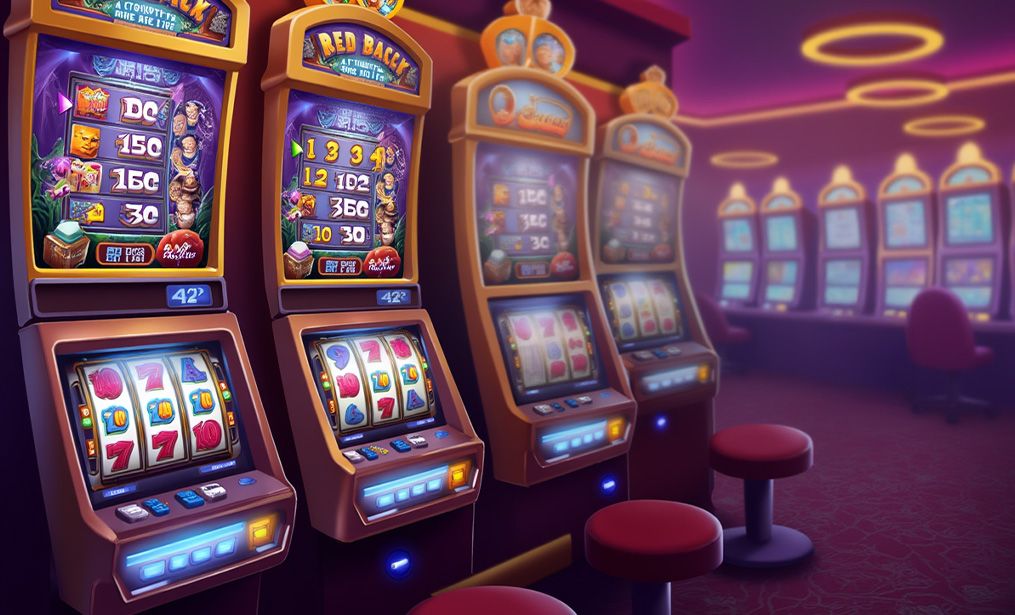
Every player who steps into a casino or opens an online gaming platform is driven by one central question. The challenge is that not all machines are created equal. Some games are designed to pay small rewards frequently, while others hide large payouts behind long periods of silence. To the casual eye, all the bright screens and spinning reels may seem similar, but beneath the surface, each machine operates under its own mathematical blueprint. Understanding how to identify the games with the best odds requires knowledge of game design, payout structure, frequency patterns, and historical behavior.
The Early Search for Favorable Machines
In the early days of gambling halls, players relied on observation and instinct to find better machines. Mechanical devices were often grouped together by model, and some machines were known to pay more often than others. Experienced players would watch which devices produced recent wins and attempt to play them afterward, assuming a pattern existed. While this method was flawed, it represented the first attempts to identify favorable odds. Over time, players realized that machines placed in high-traffic areas often produced more frequent small wins to attract attention. Even though the interior mechanisms were simple, placement and configuration affected outcomes. This early awareness laid the foundation for the concept that some slot machines simply offer better chances than others.
The Role of Payout Percentages in Determining Odds
As technology advanced and digital systems replaced mechanical parts, the concept of payout percentage or return to player (RTP) became crucial in understanding odds. RTP indicates how much of the total money wagered on a machine is expected to be returned to players over time. For example, a machine with an RTP of 96% is designed to return $96 for every $100 wagered. This does not mean every player will see exactly that return, as outcomes are randomized, but machines with higher RTPs statistically offer better odds. Online platforms often display this information openly, giving players a clear advantage in selecting favorable games. Land-based locations, however, frequently keep RTP data hidden, making it harder for players to make informed choices without deeper knowledge.
How Game Design Influences Winning Potential
Beyond RTP, the design of a game can dramatically influence how often players win. Some games feature a wide range of small payout combinations that keep the balance steady. These games may seem rewarding, but frequent small wins can mask a lower overall RTP. Other games offer fewer winning combinations but deliver larger prizes, especially during bonus rounds. Understanding a game’s structure symbol distribution, number of paylines, and bonus triggers gives valuable clues about how it behaves. The most favorable games often strike a balance between frequency and reward size, allowing players to last longer while still giving them opportunities for meaningful gains.
The Connection Between Volatility and Odds
Volatility plays a major role in determining the best odds. Low volatility games produce frequent but minor wins, making them ideal for players wanting consistent results. However, these games may not offer the highest overall payouts. High volatility games produce large prizes but require greater patience and stronger bankrolls to survive long dry streaks. A machine with high volatility and a low RTP can be very risky, while a machine with medium volatility and high RTP may offer the best combination of opportunity and sustainability. Players who understand volatility can align their game choice with their bankroll, time availability, and personal preference for excitement versus consistency.
How Observation and Data Improve Decision-Making
Skilled players know that identifying the best machines is not about luck, it is about gathering evidence. While each spin is independent, longer trends reveal patterns in game behavior. Observing how often bonus rounds are triggered or how frequently mid-level payouts occur can help players determine whether a game is balanced or overly tight. Some modern platforms even publish hit frequency data, showing how often a machine produces any form of win. Combining this data with RTP and volatility provides the clearest picture of true winning potential. The more information a player gathers, the better their chances of choosing wisely.
Why Placement and Casino Strategy Still Matter
Even in the digital age, casinos still influence outcomes through placement and configuration. In land-based locations, certain machines are positioned to attract attention with frequent minor payouts. These showcase devices are not always the most profitable long-term, but they may offer higher hit frequency to keep players entertained. Meanwhile, machines with larger potential payouts are often placed in areas that receive less traffic. Understanding that casinos use strategy in placement can help players avoid being drawn to misleading locations. The best odds are often found in less obvious areas, away from heavily promoted sections.
The Advantage of Online Transparency
One of the greatest benefits of digital gaming is transparency. Online platforms are often required to publish RTP percentages, volatility levels, paytables, and even past game performance. This gives players the ability to compare multiple games side by side before ever placing a bet. Many platforms also provide demo modes, allowing players to test games without risking money. This level of access allows serious players to make informed decisions and avoid games with poor payout structures. As a result, online environments often present better opportunities for finding machines with truly favorable odds.
Balancing Entertainment and Strategy
While players seek the best odds, it is important to recognize that no machine guarantees profit. Even high RTP games can produce long losing streaks due to randomness. The true advantage comes from combining mathematical knowledge with emotional control. Players who treat gaming as entertainment but apply strategic game selection, bankroll discipline, and patience are far more successful than those who rely on instinct or superstition. Finding the best odds is not about beating the system, it is about choosing battles wisely.
In Summary
Finding machines with the best odds for winning requires far more than just choosing the most attractive game on the screen. It involves understanding payout percentages, evaluating volatility, studying game design, observing patterns, and taking advantage of the transparency offered by modern platforms. While chance will always play a role, strategic decisions allow players to reduce losses and increase opportunities. In the end, those who take time to understand the underlying mechanics of each game are far more likely to enjoy longer sessions, better returns, and a smarter, more rewarding experience every time they play.
